Are you paying for “ghost” capacity in your ElastiCache clusters? High-performance Redis or Memcached workloads often lead to runaway AWS bills due to over-provisioning and complex pricing tiers. Understanding how to align your instance types with actual demand is the first step toward capturing significant cloud savings.
Modernize your hardware with Graviton
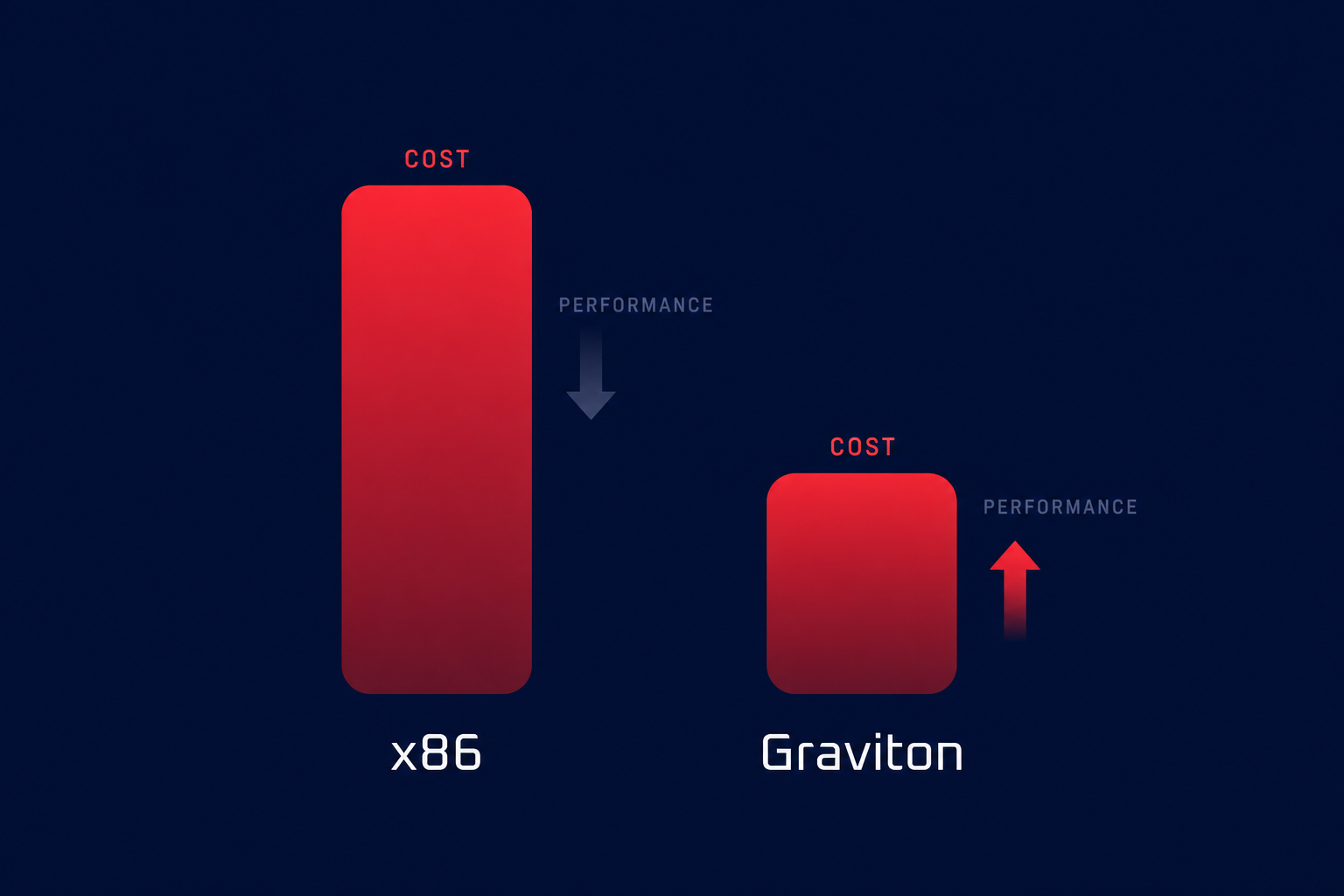
The most immediate way to lower your ElastiCache spend is to migrate your clusters to AWS Graviton-based instances. Transitioning to Graviton-based nodes like the M7g or R7g families can deliver between 40% and 60% better price-to-performance compared to older x86-based nodes. These ARM-designed chips provide higher throughput and lower latency, allowing you to often downsize your node count without sacrificing application speed.
Because AWS manages the underlying engine for you, switching to Graviton for Redis or Memcached is significantly simpler than migrating application code. At Hykell, we help you accelerate your Graviton gains by identifying Graviton-ready workloads on autopilot. This enables you to slash compute costs by up to 40% without manual engineering effort or operational downtime.
Leverage reserved nodes with new size flexibility
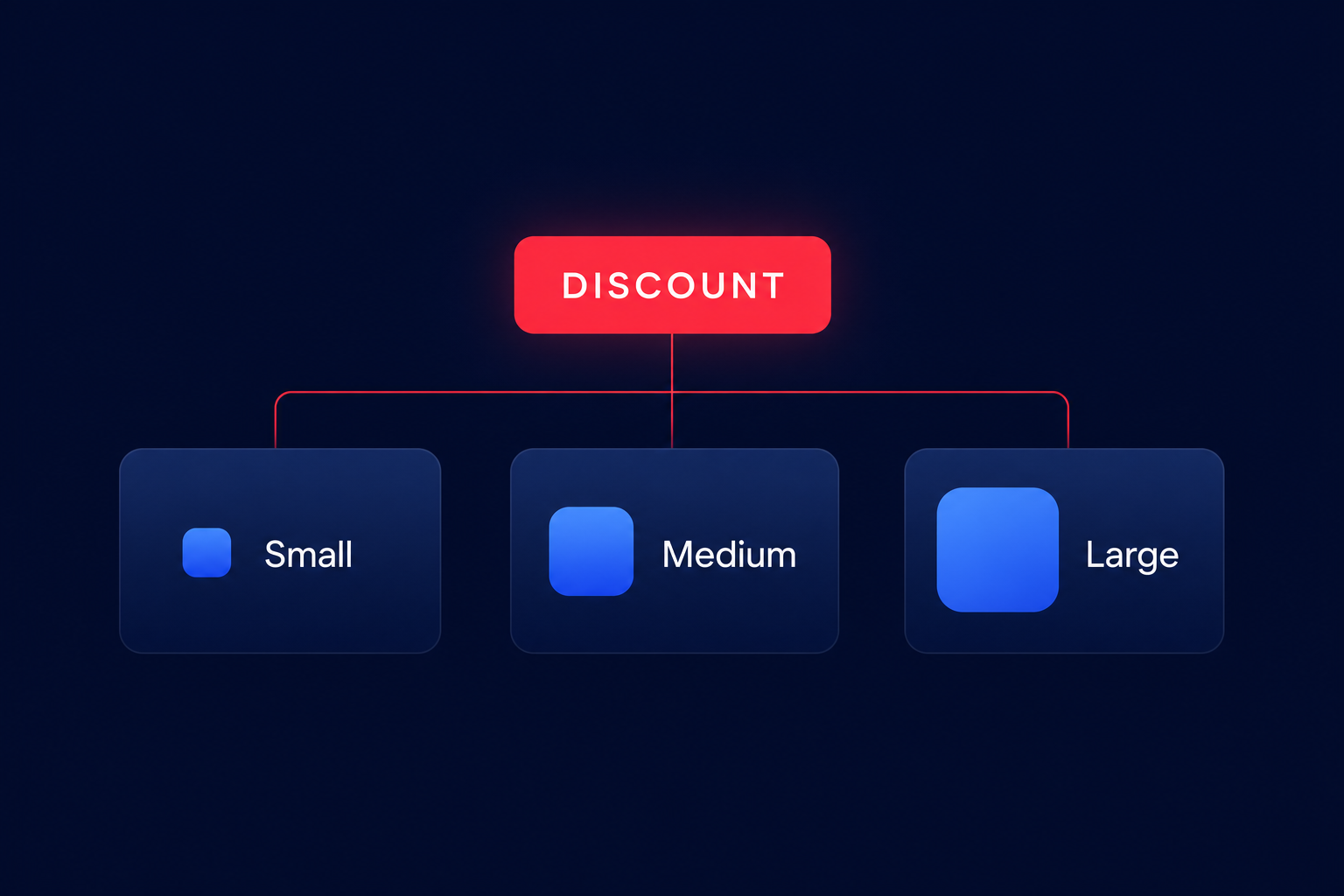
For workloads with predictable baseline usage, Reserved Nodes (RNs) are your most effective cost-reduction tool. Committing to a one-year term typically saves you 30–40%, while a three-year commitment can slash costs by 50–55% compared to on-demand pricing. These savings are available through three payment options: No Upfront, Partial Upfront, and All Upfront, with the latter providing the deepest discounts.
Effective October 1, 2024, AWS introduced size flexibility for ElastiCache Reserved Nodes. This enhancement means your discount now applies to all node sizes within the same instance family and engine in a specific region. You no longer need to worry about losing your financial benefit if you scale your nodes up or down within the same family. Hykell’s AWS rate optimization service takes this a step further by using AI to manage a dynamic blend of Reserved Instances and Savings Plans, targeting an Effective Savings Rate (ESR) of 50–70% or higher.
Choose the right deployment model
Deciding between Serverless and Provisioned nodes depends entirely on your traffic patterns and the predictability of your workload.
- Serverless: This model is ideal for unpredictable workloads or new applications where you cannot forecast demand. It scales automatically based on data storage (GB-hours) and ElastiCache Processing Units (ECPUs). If you choose the Valkey engine, you can benefit from 33% lower pricing and a 100 MB minimum storage metered, compared to the 1 GB minimum for Redis OSS.
- Provisioned: This model remains better for high-scale, steady-state workloads. While it requires more hands-on management, it offers a lower unit cost when utilization is consistently high.
Implement data tiering for large datasets
If you manage massive datasets where only a small fraction – roughly 20% or less – is accessed frequently, ElastiCache Data Tiering is a game-changer. By using R6gd nodes, which utilize local NVMe SSDs to store less-frequently accessed data, you can achieve nearly five times more storage capacity than memory-only clusters.
This strategy can result in over 60% cost savings compared to R6g nodes because it allows you to scale your cache size without the linear price increase associated with pure RAM. It is a highly effective way to manage growth without letting your infrastructure budget spiral out of control.
Rightsizing through observability
To avoid paying for idle capacity, you must regularly monitor specific CloudWatch metrics like `CPUUtilization`, `DatabaseMemoryUsagePercentage`, and `SwapUsage`. AWS best practices suggest targeting a 70% to 80% utilization rate while maintaining sufficient memory headroom for operational stability. If your headroom consistently remains above 30%, you are likely over-provisioned and paying for resources you do not need.

Hykell’s real-time observability dashboard identifies these underutilized resources automatically. Our platform analyzes your usage patterns in the background, providing your FinOps and DevOps teams with the transparency needed to consolidate resources. This ensures you can reinvest those savings into higher-priority performance areas instead of wasting them on dormant hardware.
Optimizing your AWS infrastructure shouldn’t require a dedicated team of engineers working around the clock. By combining strategic instance selection with automated rate management, you can maintain peak performance while ensuring your cloud spend remains lean and efficient. To see exactly how much you could be saving on your current ElastiCache and compute bill, use our savings calculator for a detailed analysis of your potential ROI.