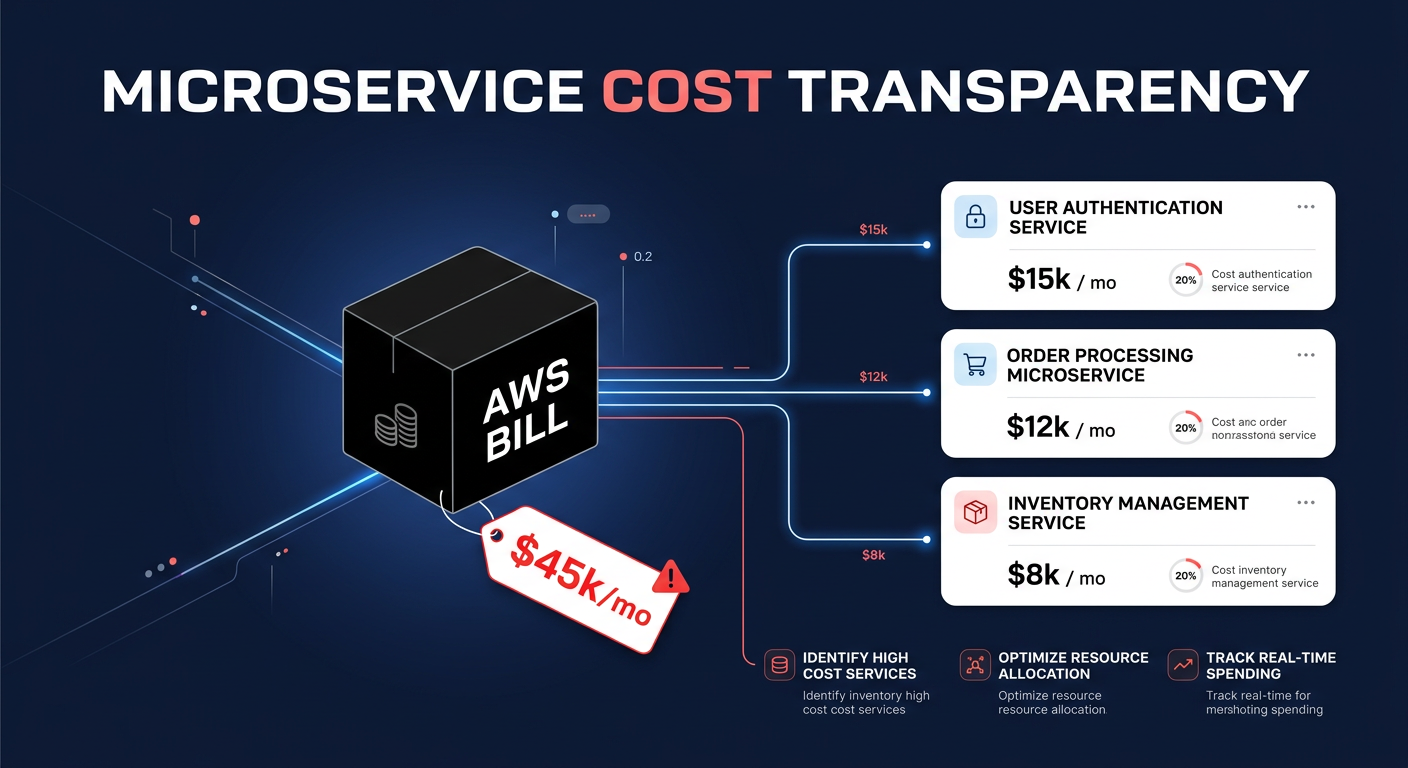
Are your engineering teams aware that a single unoptimized microservice could be draining $45,000 every month? Without clear attribution, AWS spend remains a black box for the teams spinning up resources. Moving beyond a monolithic invoice is the first step toward true cloud accountability.
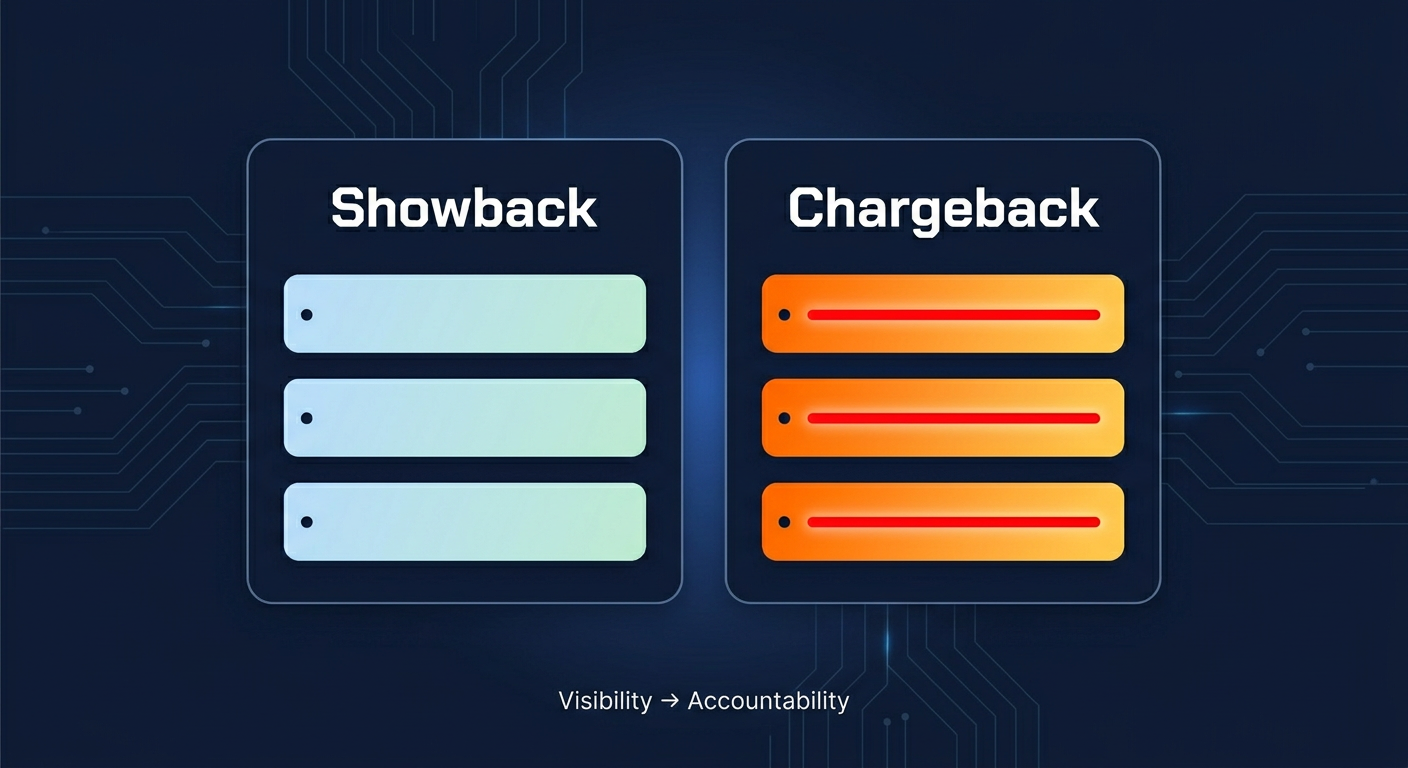
To bridge the gap between finance and DevOps, most organizations adopt one of two strategies: showback or chargeback. While both aim to eliminate the 15–30% of cloud waste typical in unmanaged environments, they represent different stages of FinOps maturity and cultural readiness.
Understanding the showback model
Cloud showback is an educational approach where you provide visibility into AWS costs without enforcing actual financial consequences. Think of it as an informational invoice sent to engineering leads or project owners. It highlights exactly what their services cost the company, but the central IT or finance budget continues to absorb the bill.
The primary benefit of showback is its ability to foster awareness without creating cultural friction. Because there is no impact on a team’s specific budget, engineers are often more open to initial cloud cost allocation initiatives. It serves as a powerful “crawl” phase in your journey, allowing teams to see the financial weight of their architectural decisions before they are held financially responsible for them.
For example, a major telecom provider used showback reporting to identify that one specific microservice was responsible for 40% of their total data transfer costs. By simply gaining visibility into this data, the engineering team refactored the service and saved the company $45,000 per month. Showback succeeds by gamifying efficiency and providing the transparency needed for proactive optimization without the pressure of budget disputes.
The shift to cloud chargeback
Cloud chargeback takes accountability a step further by directly billing departments or projects for their AWS consumption. In this model, cloud costs hit the team’s actual Profit and Loss (P&L) statement. This transition turns AWS spend into a first-class operational metric, placing it on the same level as performance, security, or uptime.
Chargeback is highly effective at driving radical optimization because it makes costs “real” to budget owners. Data shows that while a financial services firm might see an 18% reduction in AWS spend through showback alone, moving to a formal chargeback process can trigger an additional 22% drop in costs. When engineers are responsible for the bill, rightsizing and resource lifecycle management become high-priority tasks rather than “nice-to-have” background work.
However, chargeback requires a high degree of precision. If your AWS cost allocation is inaccurate, you risk creating friction and disputes between departments. To succeed, you must have a bulletproof system for handling shared costs and a robust method for attributing every dollar spent to the correct owner.
Implementation strategies for AWS accountability
The foundation of both models is metadata. Without automated tagging for AWS, your reports will be riddled with unallocated spend, which undermines the credibility of your financial data.
Establish a tagging taxonomy
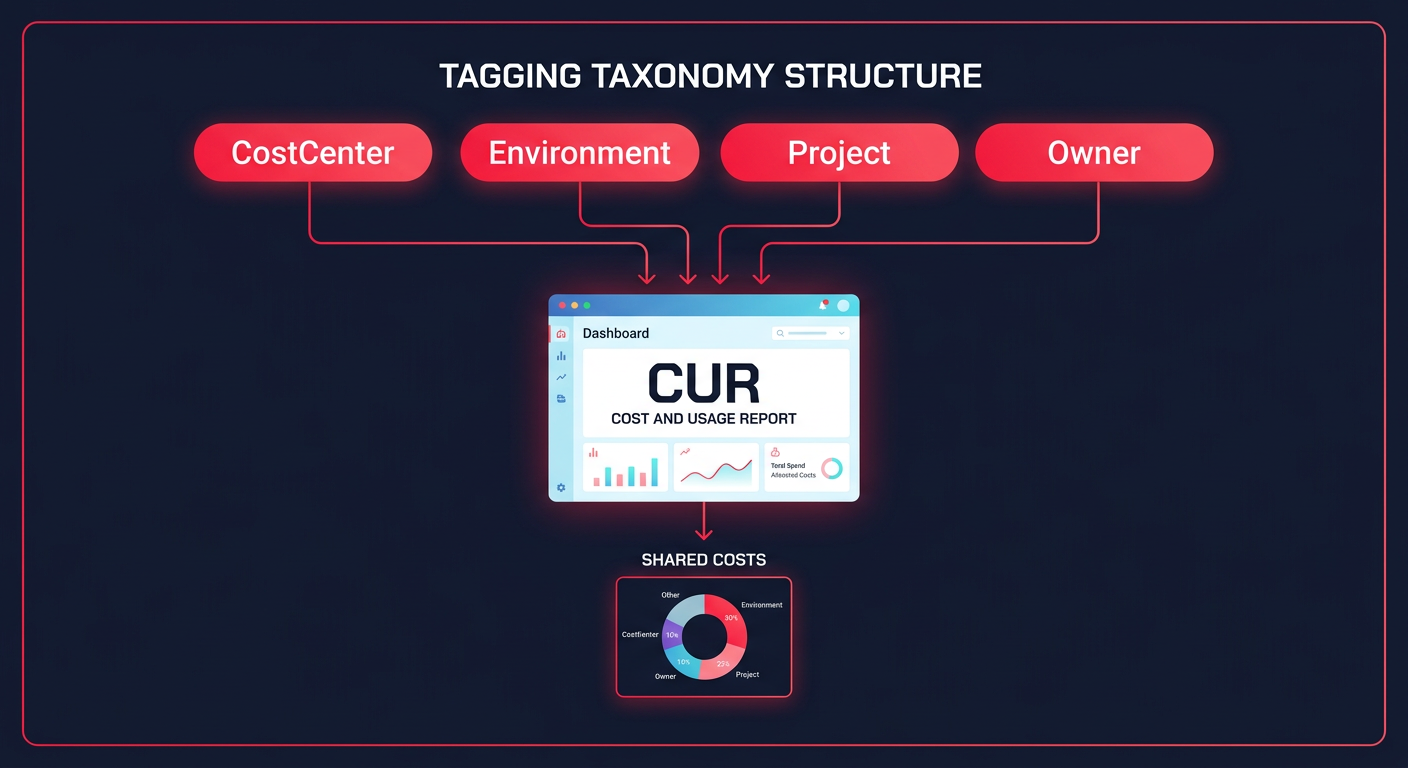
You should start by enforcing a minimal set of mandatory tags, such as CostCenter, Environment, Project, and Owner. Consistency is critical because AWS tags are case-sensitive; an environment labeled as “production” and another as “Production” will appear as separate line items, complicating your reporting. Using AWS Tag Policies and Service Control Policies (SCPs) can ensure that no resource is created without these mandatory identifiers.
Leverage the AWS Cost and Usage Report (CUR)
For granular allocation, the CUR is your source of truth. It provides the itemized data necessary to attribute costs at the resource level, which you can then integrate with specialized cloud FinOps tools. These tools help build role-specific dashboards that show engineers the direct impact of their architectural choices in real-time.
Handle shared costs equitably
One of the biggest hurdles in a chargeback model is un-taggable spend. This includes AWS Business Support fees, shared networking costs, and AWS rate optimization instruments like Savings Plans or Reserved Instances. Most mature organizations allocate these shared costs proportionally based on each team’s percentage of the total direct spend to maintain fairness and transparency.
Choosing the right path for your culture
If your organization is new to cloud financial management, you should start with showback. This builds the necessary muscle memory for using AWS cost allocation tags without the high stakes of immediate budget transfers. As your data accuracy improves and your engineering teams become more cost-conscious, you can graduate to a chargeback model to lock in long-term fiscal discipline.
The ultimate goal is to ensure every dollar spent on AWS is driving measurable business value. When engineers see the financial “price tag” of their code, they naturally begin to prioritize rightsizing and efficient architecture. By moving through the crawl, walk, and run phases of cost attribution, you transform cloud spend from an uncontrollable overhead into a strategic asset.
Hykell helps engineering teams bridge this gap by automating the most complex parts of AWS optimization. While you focus on building features, Hykell works in the background to reduce your total bill by up to 40% through autonomous rate optimization and resource auditing. Because Hykell only takes a slice of what you actually save, you can drive accountability and efficiency without any upfront financial risk.
To see how much your team could be saving right now, use the Hykell savings calculator to analyze your current AWS environment.