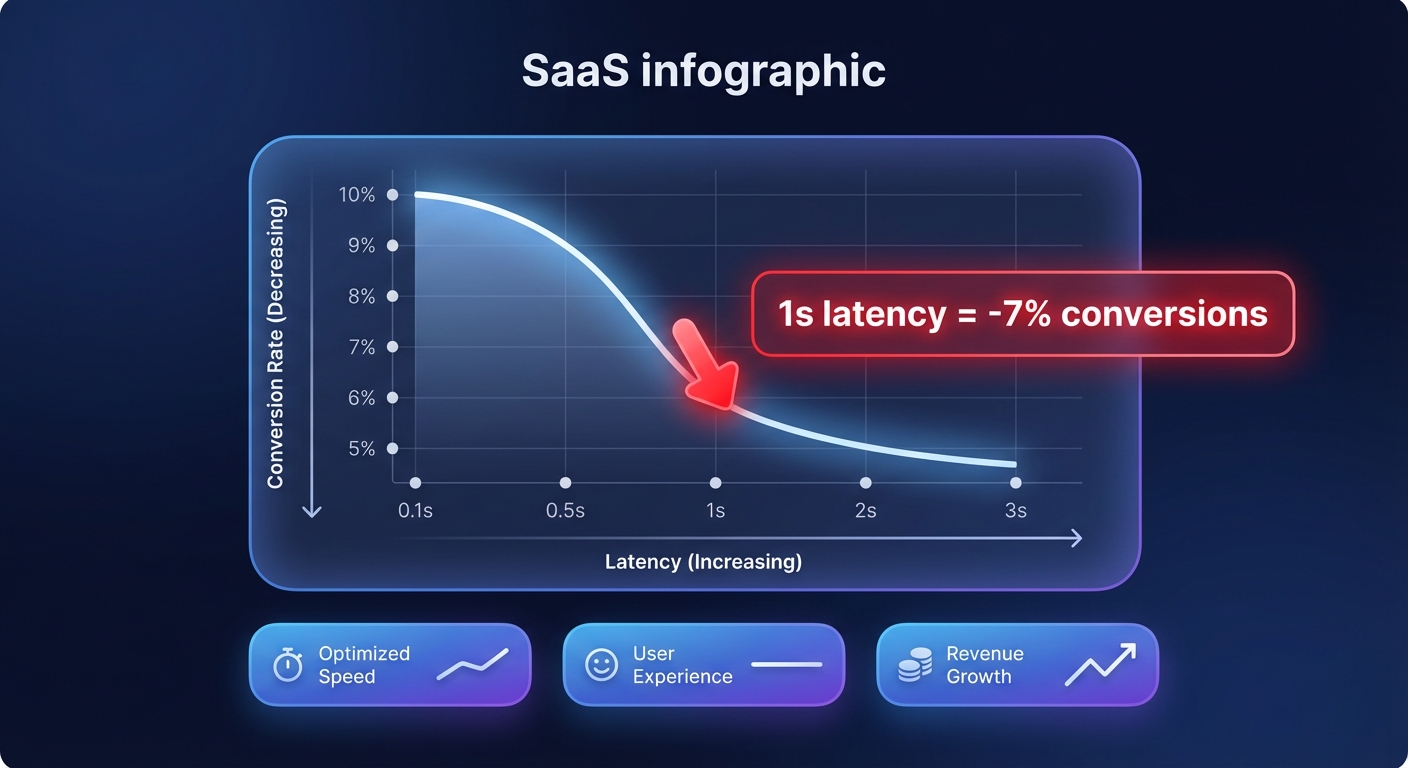
A single second of latency can slash your application’s conversion rates by as much as 7%. Cloud application performance monitoring (CAPM) ensures you aren’t just running in the cloud, but performing at a level that keeps users happy and margins healthy.
What is cloud application performance monitoring?
Cloud application performance monitoring (Cloud APM) is the systematic process of tracking, analyzing, and optimizing the resources that support software performance in public, private, or hybrid cloud environments. While traditional APM primarily focuses on code-level metrics within static server environments, cloud application performance monitoring accounts for the complex dependencies of distributed architectures. This includes monitoring the network communications between microservices and the reliability of external cloud APIs that underpin modern SaaS products.
Gartner defines modern APM as a suite of tools comprising digital experience monitoring (DEM), application discovery, and tracing. This evolution extends observability beyond mere system availability to include “user happiness,” which measures how infrastructure performance directly impacts the end-user experience. For AWS-native companies, this requires moving beyond a simple “up or down” status to a nuanced understanding of how cloud latency reduction techniques and resource utilization influence the bottom line.
How CAPM works in the AWS ecosystem
In an AWS environment, performance monitoring relies on a combination of native telemetry and distributed tracing to create a holistic view of application health. The primary objective is to correlate technical metrics – such as CPU utilization or memory leaks – with business outcomes like transaction success rates or checkout speed.
The foundation of AWS application performance monitoring begins with Amazon CloudWatch, which collects metrics and logs from over 70 AWS services. To achieve deeper visibility into distributed systems, teams often utilize AWS X-Ray for end-to-end tracing, helping to visualize how requests travel through various microservices and isolating bottlenecks in complex call chains. Furthermore, CloudWatch Application Signals can automatically discover service dependencies and create maps that correlate traces with specific service-level objectives (SLOs).
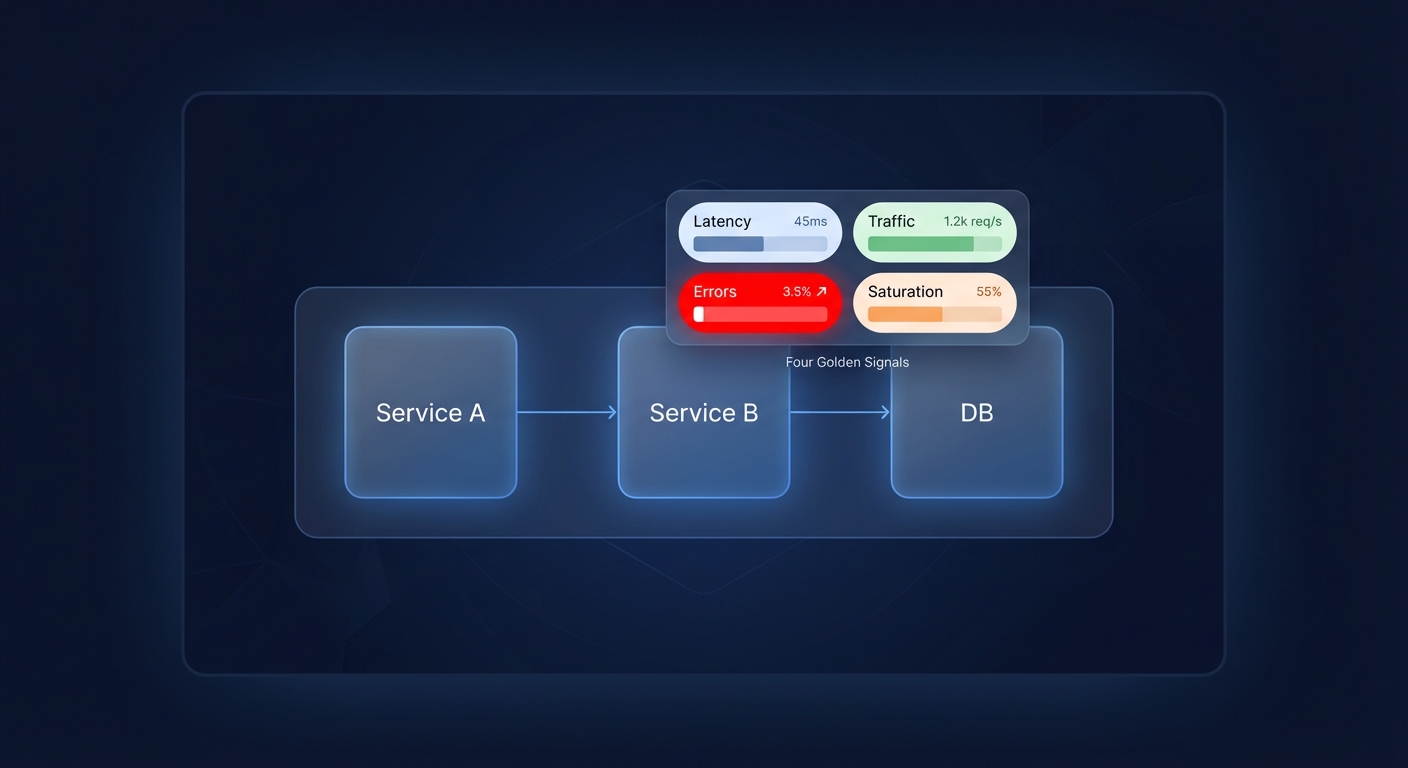
Effective monitoring strategies generally focus on the “Four Golden Signals”: latency, traffic, errors, and saturation. On the AWS platform, this involves:
- Tracking response times for Lambda functions to identify cold starts or execution delays.
- Monitoring error rates on Application Load Balancers (ALBs) to detect failed requests early.
- Analyzing disk I/O on EBS volumes to prevent throughput throttling.
- Utilizing cloud performance benchmarking to establish realistic baselines and identify anomalies before they escalate into outages.
The strategic benefits of cloud APM
For engineering leaders, the primary value of Cloud APM is the significant reduction of Mean Time to Resolution (MTTR). When an application slows down, the lack of visibility often leads to a “blame game” between network, database, and application teams, which stalls recovery efforts. A robust cloud performance troubleshooting guide powered by real-time APM data points directly to the root cause, whether it is an inefficient database query, a misconfigured VPC endpoint, or a resource bottleneck.
Beyond troubleshooting, APM data provides the necessary insights for proactive cloud performance tuning. By understanding exactly how much memory or compute a service consumes during peak load, you can move away from over-provisioning resources “just in case.” Instead, you can design a lean, high-performing architecture that scales precisely with demand.
Connecting performance to cost optimization
One of the most overlooked aspects of cloud APM is its role in the FinOps framework. There is a constant cost-performance tradeoff in cloud computing; while paying for the highest-tier resources guarantees performance, it can also erode margins. Conversely, aggressive under-provisioning saves money but risks user churn due to poor responsiveness.
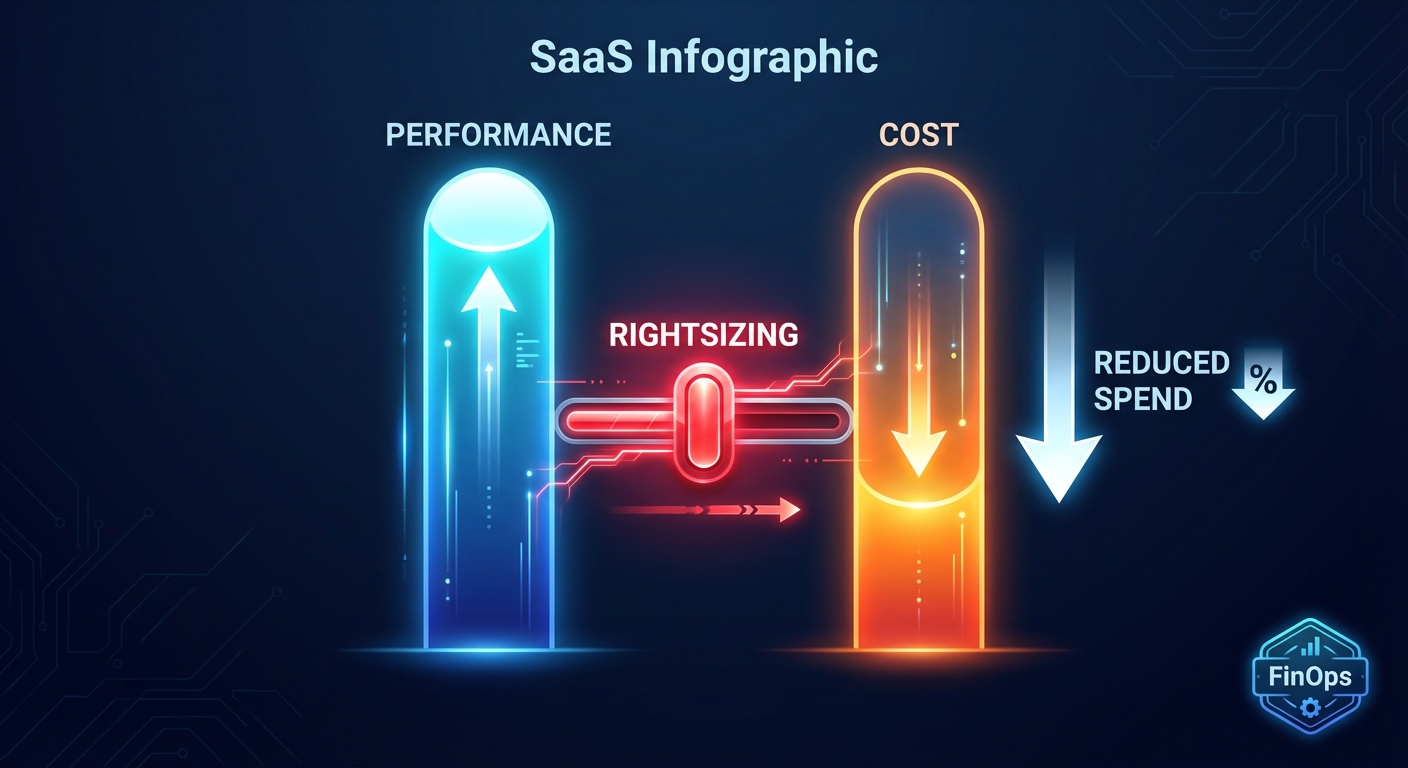
APM data serves as the essential “truth” required for effective cloud resource rightsizing. For example, analyzing CloudWatch metrics might reveal that your EC2 instances consistently run at only 20% CPU utilization over a 30-day period. This data allows you to downsize or migrate to more efficient instance families, such as AWS Graviton, without risking application stability.
However, monitoring itself can become a significant expense if not managed correctly. Inefficient logging strategies frequently lead to a “bill spiral” where the cost of observability rivals the cost of the application. It is vital to manage your AWS CloudWatch logs pricing by setting appropriate retention policies and utilizing metric filters rather than storing every raw debug log indefinitely in high-cost storage tiers.
Optimizing on autopilot with Hykell
While Cloud APM identifies where you are over-provisioned, manually implementing those changes across hundreds of accounts and thousands of resources creates a heavy engineering burden. This is where Hykell bridges the gap between observability and action.
Hykell leverages your performance data to provide automated AWS rate optimization, ensuring you secure the best possible pricing through Savings Plans and Reserved Instances without the risk of over-commitment. By analyzing real-time usage patterns, the platform identifies underutilized resources and applies optimizations on autopilot, which can reduce your total AWS bill by up to 40%.
You do not have to choose between application speed and financial savings. Hykell’s observability tools ensure that every optimization is backed by performance metrics, keeping your application fast while ensuring your cloud spend stays lean.
Stop overpaying for AWS performance. Calculate your potential savings with Hykell today and see how automated optimization can reclaim your engineering time.