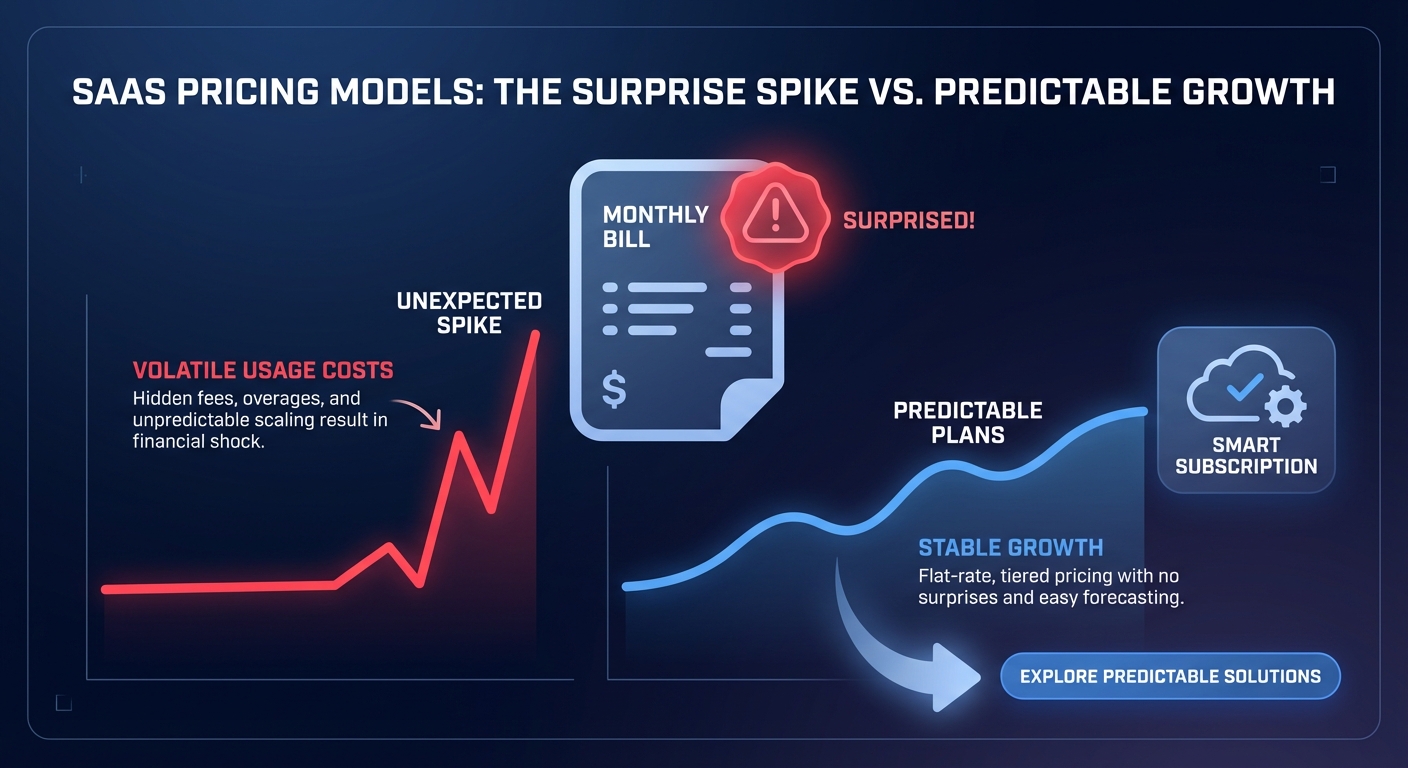
Why is your cloud bill still a surprise? Most US-based enterprises waste 35% of their cloud budget because they treat forecasting as a reactive reporting task. To fix this, you must transform cloud spend into a strategic asset using mature FinOps strategies.
Select the right forecasting methodology for your scale
Accuracy in cloud budgeting begins with selecting a model that matches your operational maturity. Most organizations move through three distinct stages of forecasting as they scale their infrastructure. Trend-based forecasting is the most common starting point, utilizing historical data to project future spend. The primary tool for this approach is AWS Cost Explorer, which provides 12-month forward-looking forecasts based on your previous year of usage. While this is effective for steady-state workloads, it often fails to account for major architectural shifts or rapid scaling events.
To gain deeper precision, leaders often adopt driver-based forecasting. This method connects cloud spend directly to business KPIs, such as cost per active user or cost per transaction. By understanding these unit economics, finance leaders can accurately predict how a 20% increase in customer acquisition will impact the monthly AWS invoice. For more complex shifts, scenario modeling allows teams to build “what-if” models for migrations, product launches, or regional expansions. High-growth companies frequently use the AWS Pricing Calculator to estimate these new environments before a single resource is provisioned.
While other providers offer native tools like Azure Cost Management or GCP’s Quotas, AWS remains the most complex to forecast. This complexity stems from granular pricing for data transfer, API requests, and a wide array of compute savings plans that require careful modeling to ensure budget predictability.
Establish high-integrity data inputs
A forecast is only as reliable as the data feeding it. In AWS environments, this integrity relies on a robust tagging taxonomy. Without consistent tags for ownership, environment, and project, up to 50% of your cloud spend can end up in an unallocated bucket, making it impossible to hold teams accountable or build accurate future budgets.
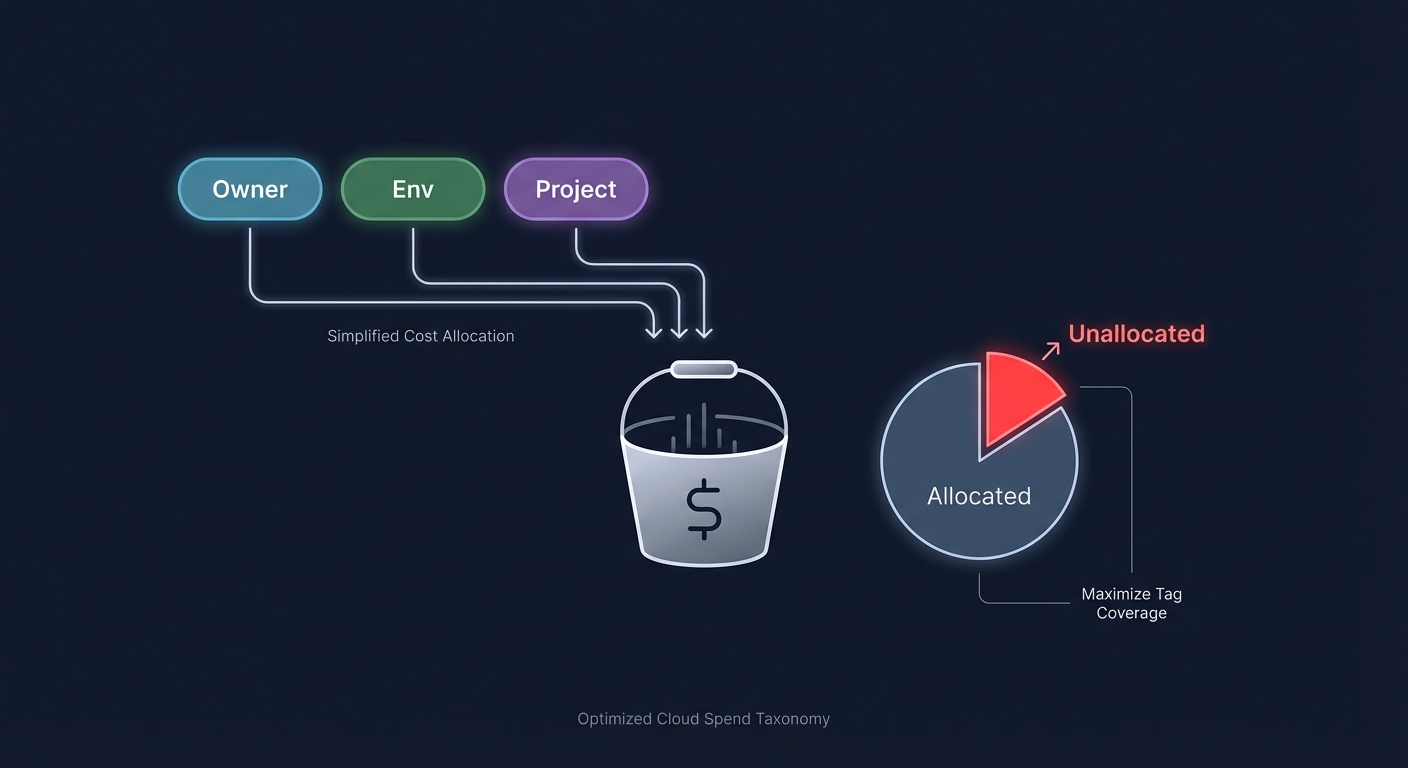
Effective forecasting requires the ingestion of data from multiple granular sources to ensure every dollar is accounted for. The Cost and Usage Report (CUR) provides the most detailed resource-level data, while utilization metrics from CloudWatch signal whether you are paying for “ghost” resources that should be terminated. Furthermore, you must track your commitment coverage to understand how much of your footprint is currently protected by AWS RI management or Savings Plans. Without this visibility, your forecast will likely overstate costs by ignoring the discounts already in place.
Drive collaboration between finance and engineering
The gap between a forecast and actual spend is rarely just a mathematical error; it is usually a communication problem. Finance teams often budget based on flat growth, while engineering teams ship features that scale compute needs exponentially. Bridging this gap requires shifting from a siloed approach to one of shared accountability.
Mature organizations implement cloud chargeback and showback strategies to foster this collaboration. Showback creates cost awareness by reporting spending patterns back to engineering leads, while chargeback holds departments financially accountable for their specific consumption. Supporting these strategies with a comprehensive cloud cost governance framework ensures that when engineering plans a migration to Graviton or a shift to Kubernetes, finance is already modeling the 40% performance-adjusted savings that such architectural shifts provide.
Use automation to reduce forecasting uncertainty
Manual forecasting is prone to human error and quickly becomes obsolete as cloud environments scale. Automation allows teams to move from a standard ±20% forecast accuracy to a much more reliable ±5% by removing the noise of waste and underutilized resources. Implementing automated cost visibility ensures that you are budgeting for efficient infrastructure rather than over-provisioned waste.
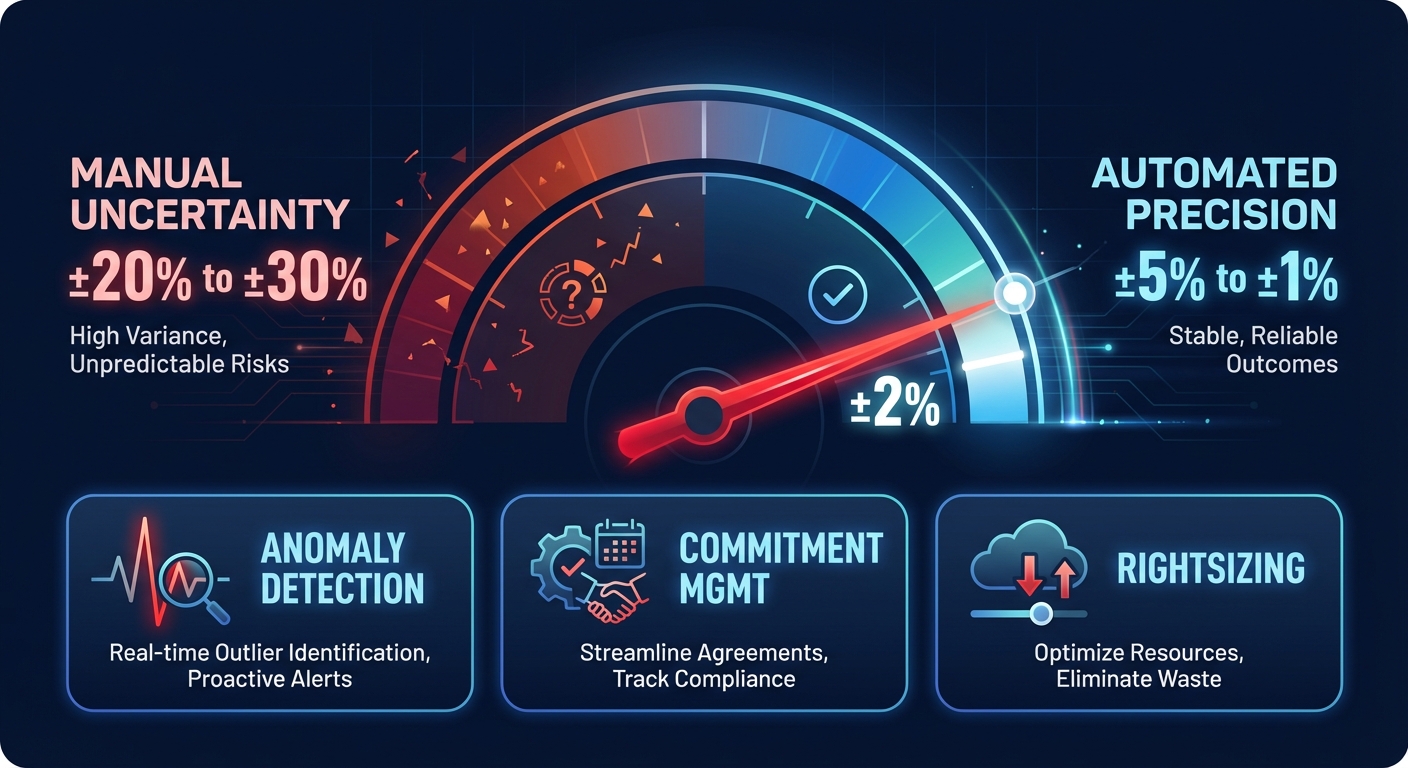
Automation provides several critical advantages for maintaining budget predictability:
- Immediate anomaly detection flags spend spikes caused by misconfigured Lambdas or runaway development environments within hours, rather than waiting for an end-of-month bill.
- Dynamic commitment management ensures that your rate optimization is always at its peak, managing the complex mix of Savings Plans and RIs without locking you into rigid, inaccurate forecasts.
- Continuous rightsizing automatically identifies and executes the downsizing of over-provisioned instances, ensuring your budget reflects actual needs rather than “just-in-case” provisioning.
By integrating anomaly detection automation, you can prevent the unexpected spikes that traditionally derail quarterly budgets. This level of control allows leadership to focus on strategic growth rather than reactive cost firefighting.
Predictable budgeting is not just about spending less; it is about knowing exactly what you will spend to achieve your business goals. Hykell helps you stabilize your cloud budget by identifying up to 40% in immediate savings and managing your AWS commitments on autopilot. By uncovering hidden waste and optimizing your rates, your actual spend finally aligns with your forecast. Calculate your potential savings today and stop guessing what your next AWS bill will look like.