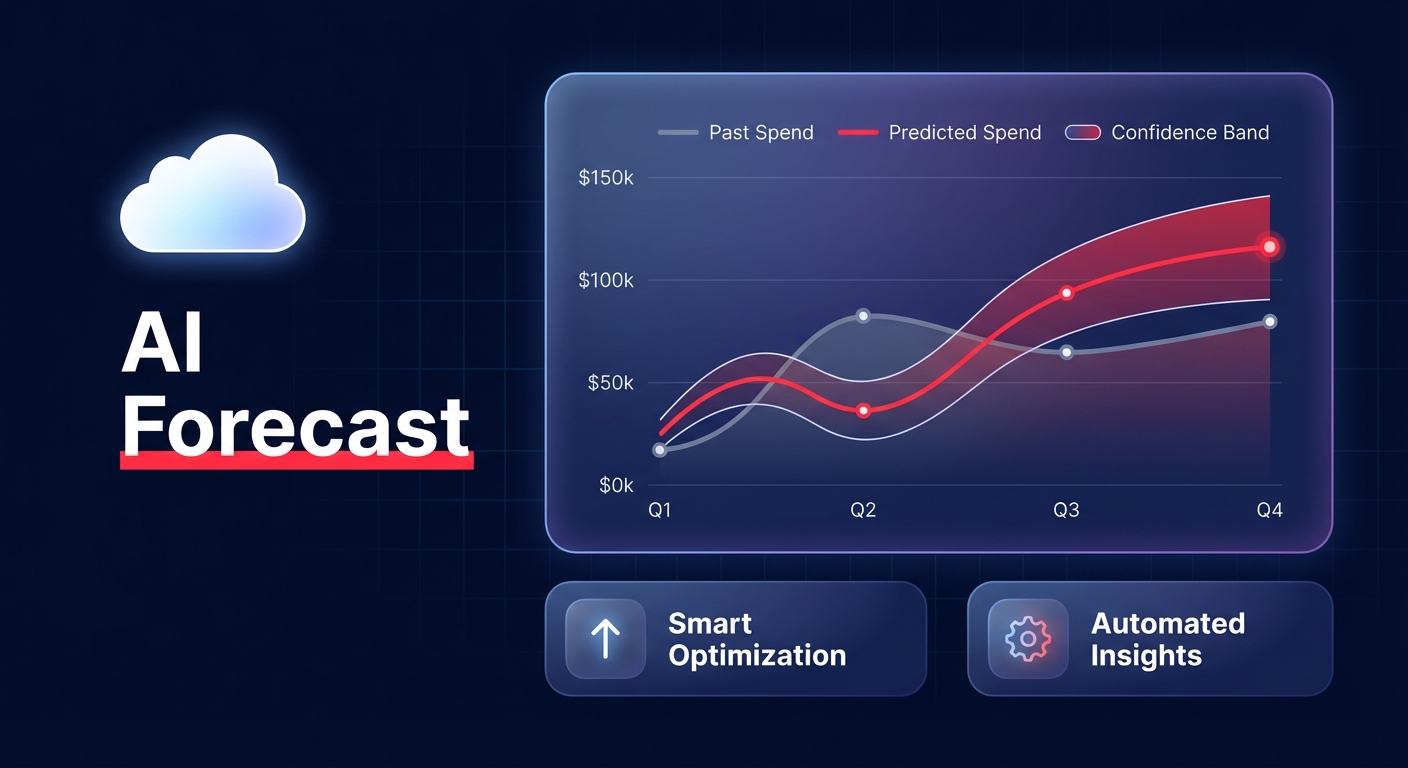
Is your monthly AWS invoice consistently higher than the finance team’s projections? For most leaders, manual spreadsheets and fragmented tagging turn cloud budgeting into a high-stakes guessing game. You can stop the cycle of margin erosion by leveraging AI-driven automation to gain predictive cost clarity.
Why manual AWS forecasting is failing your business
Most organizations struggle with a visibility gap where they can see what they spent but cannot predict why costs will fluctuate next quarter. Manual forecasting often relies on a short historical lookback, which completely misses annual seasonal patterns, holiday spikes, or year-end compliance processing. Furthermore, data quality gaps – such as untagged resources or siloed account data – distort the baseline and make accuracy impossible.
When your data is messy, even the most sophisticated cloud cost budgeting and forecasting strategies will result in budget overruns. AWS recently addressed the need for longer-term visibility by extending the AWS Cost Explorer forecasting horizon to 18 months and allowing models to analyze up to 36 months of historical data. This expansion helps teams identify long-term growth trends that shorter analysis windows simply miss.
Using AI to bridge the gap between “what” and “why”
Automation and machine learning are no longer optional for accurate financial planning. AI-powered tools now provide natural language explanations that offer transparency into forecast methodology and key cost drivers. Instead of just seeing a projected $50,000 spike, AI can identify that the increase is driven by S3 data transfer costs linked to a specific project.
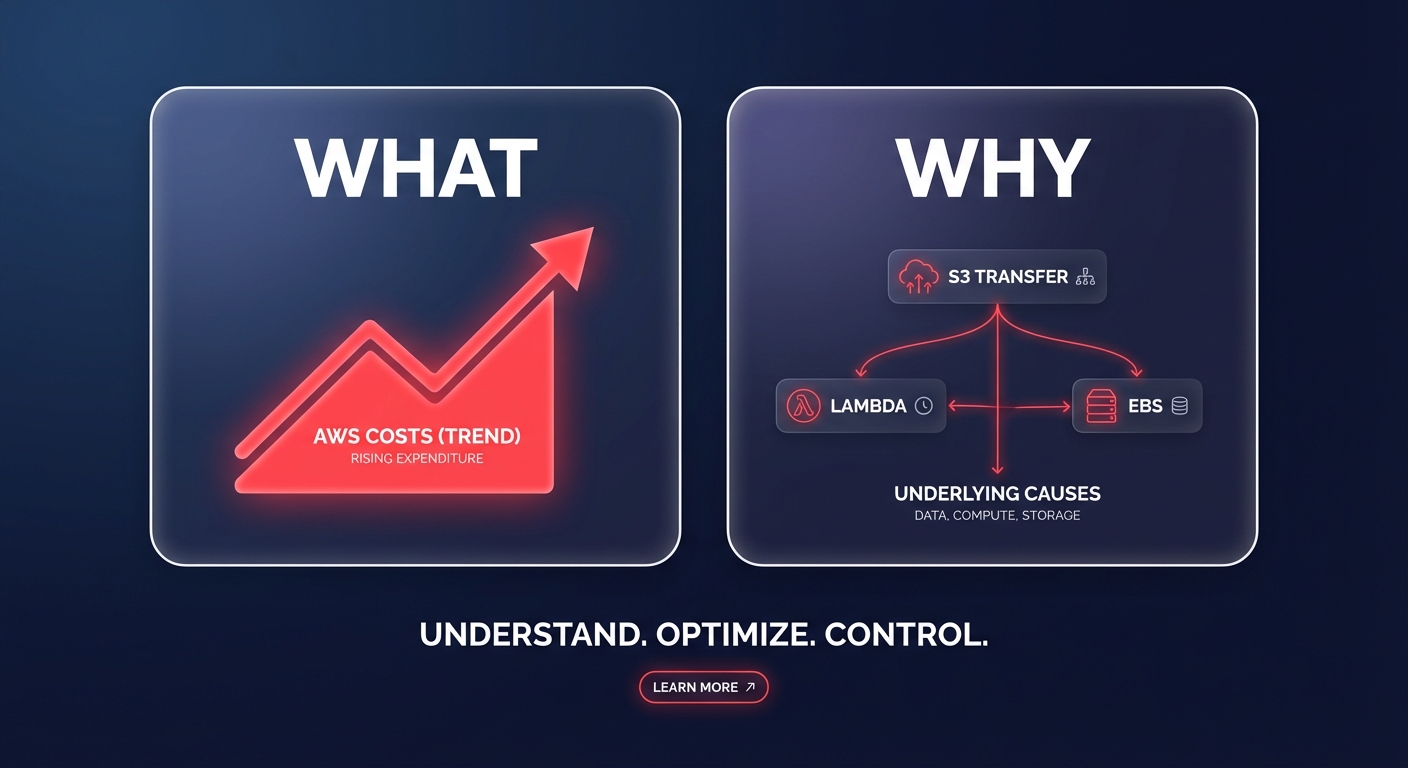
Key automation mechanisms improve accuracy by transforming how you view future spend. For instance, machine learning for cloud cost optimization allows you to anticipate resource needs for seasonal events, ensuring you have enough capacity without over-provisioning. Additionally, proactive cost anomaly detection automation identifies spend deviations – like a misconfigured Lambda function – within hours rather than at the end of the billing cycle. By linking these cloud costs to business KPIs, such as cost-per-transaction, you create a driver-based model that remains resilient as your business scales.
Improving project budgets and cash flow efficiency
Forecasting is not just about the total bill; it is about aligning AWS KPIs with your company’s cash flow. When engineering and finance teams work in silos, project budgets often fail because they do not account for hidden costs like unattached EBS volumes or over-provisioned IOPS.
By implementing automated cost dashboards, leaders gain real-time visibility into project-specific spend. This visibility enables accurate cloud chargeback and showback strategies, where every dollar of cloud spend is attributed to a specific department or product. This level of granularity ensures that finance can forecast cash flow with precision, knowing exactly when a new deployment will impact the bottom line.
Moving from visibility to autopilot with Hykell
The biggest challenge with native tools like the AWS Pricing Calculator is that they provide visibility but require manual effort to execute savings. This is where Hykell transforms your financial strategy. Hykell provides automated AWS cost optimization that operates on autopilot, implementing changes across EC2, EBS, and Kubernetes environments without requiring ongoing engineering effort.
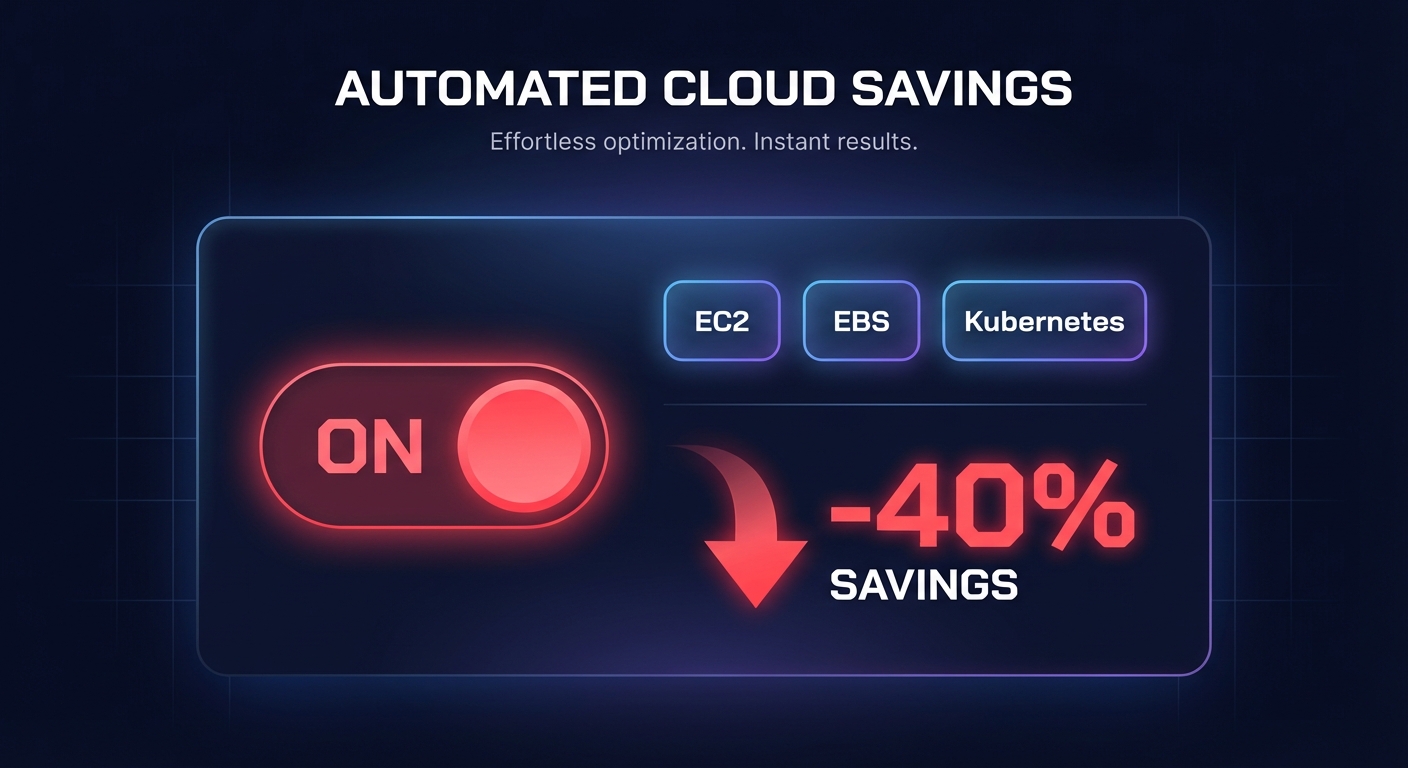
By leveraging AWS rate optimization, Hykell blends Reserved Instances and Savings Plans to maximize your Effective Savings Rate (ESR). This approach removes the risk of long-term commitment lock-in, as the system dynamically adjusts your discount coverage based on real-time usage patterns. This ensures you capture maximum discounts while maintaining the flexibility to pivot your infrastructure as needs change.
Building a predictable financial future
To achieve forecasting maturity, your organization must move beyond reactive firefighting. Start by establishing a robust tagging taxonomy and layering it with automated observability tools that provide role-specific insights for CFOs, DevOps, and FinOps leads. This foundation ensures that the data feeding your AI models is accurate and actionable.
When you combine AI-driven forecasting with automated execution, you eliminate the surprise factor from your AWS bill. You gain the confidence to invest in new projects, knowing that your cloud infrastructure is running at peak financial efficiency. Visit the Hykell pricing page to see how our performance-based model can uncover hidden inefficiencies and start your journey toward 40% lower cloud costs today.