Are you tired of manual spreadsheet updates and the visibility gap haunting your monthly invoice? Open-source tools provide transparency without heavy SaaS contracts, but they often demand a high price in engineering hours to maintain and implement.
Engineering leaders and FinOps practitioners frequently turn to open-source solutions to gain granular control over their infrastructure spend. While native tools like AWS Cost Explorer provide a foundational baseline for visualizing spend over a 13-month period, they often stop at reporting historical data rather than providing the automated mechanisms required to fix inefficiencies. To move from simple visibility to actual savings, you need a stack that integrates with your CI/CD pipelines and Kubernetes clusters.
Infracost for shift-left cost visibility
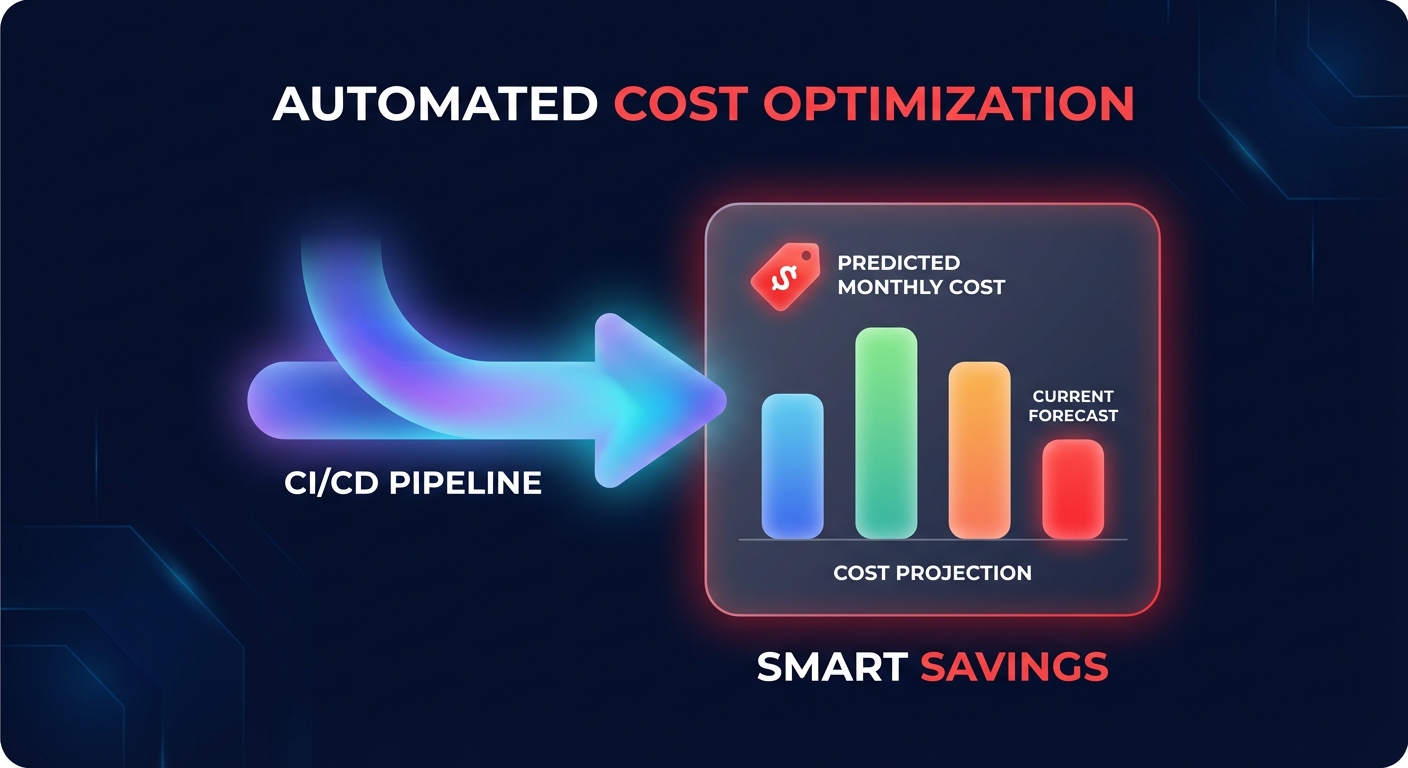
Infracost has become a staple for DevOps teams because it brings cost awareness directly into the pull request. By sitting within your CI/CD pipeline, it scans Terraform or OpenTofu files to estimate the financial impact of infrastructure changes before you deploy them. This proactive approach helps engineering teams prevent bill shock by providing a clear breakdown of monthly costs in GitHub or GitLab comments. While it supports over 200 AWS resources, it is important to remember that Infracost only provides estimates; it does not track live usage or identify historical anomalies once the resources are active.
Granular container insights with OpenCost
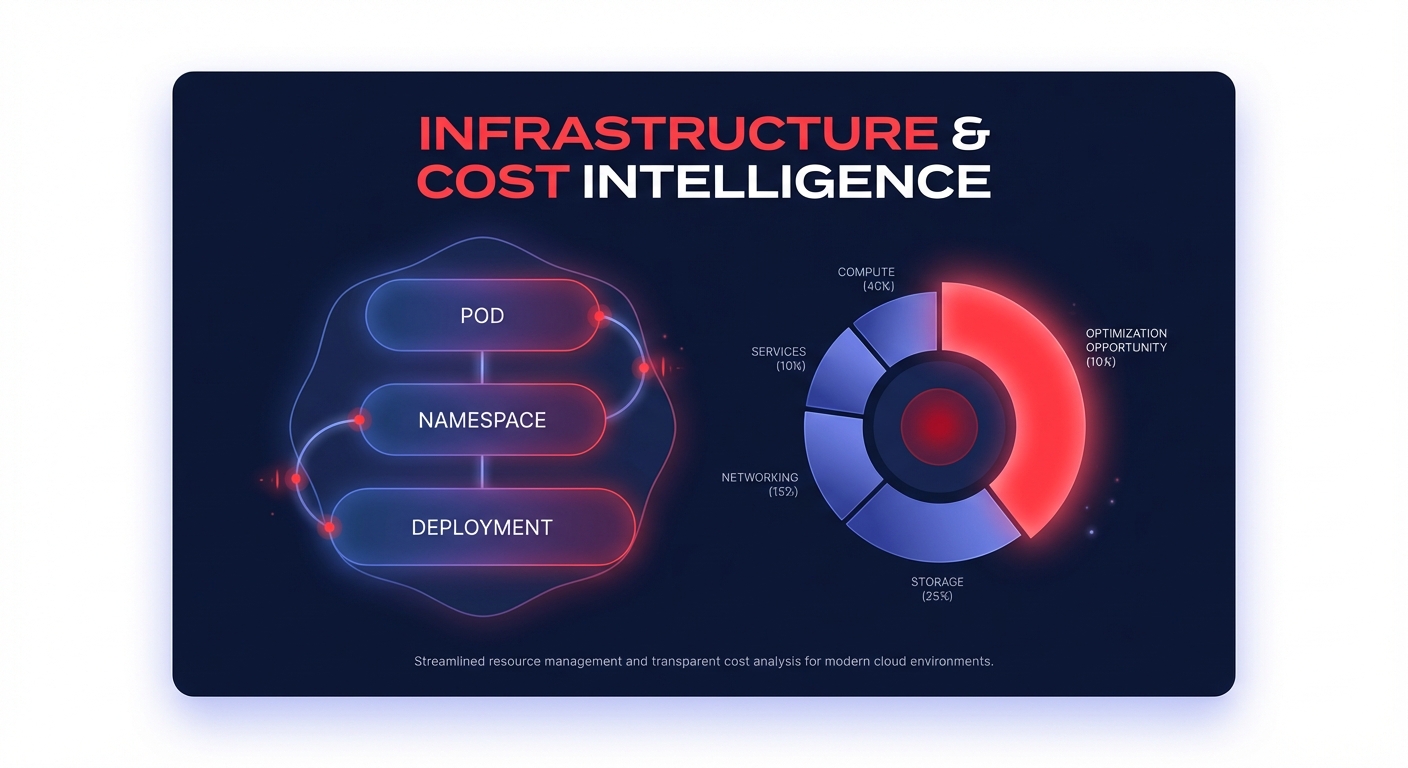
For teams running containerized workloads, standard billing tools are often too blunt to be useful. OpenCost, a CNCF sandbox project, provides real-time cost allocation specifically for Kubernetes, allowing you to see spend at the pod, namespace, and deployment levels. This is particularly valuable for Kubernetes optimization and pod-level chargeback, as it integrates seamlessly with Prometheus and Grafana. However, the open-source version often lacks the advanced automation and multi-cluster aggregation found in enterprise equivalents, leaving much of the heavy lifting to your internal engineers.
Governance and policy enforcement with Cloud Custodian
Cloud Custodian serves as a powerful rules engine for managing public cloud accounts through YAML-based policies. It allows you to automate the enforcement of cost-governance rules, such as turning off non-production EC2 instances during off-hours or automatically deleting unattached EBS volumes. Because it works across AWS, Azure, and GCP, it is an excellent choice for multi-cloud environments. The primary trade-off is the complexity involved; writing and maintaining a massive fleet of policies requires significant engineering time and a deep understanding of cloud resource interactions.
SQL-driven auditing with CloudQuery
CloudQuery treats your cloud infrastructure as a database by extracting configuration data and loading it into a destination like PostgreSQL. This allows you to run standard SQL queries to find idle resources or untagged assets that might otherwise go unnoticed. This tool is ideal for teams performing custom cloud cost audits or those with highly specific reporting requirements. While it offers high flexibility for cross-service joins, you are responsible for building the dashboards and the analysis logic yourself.
Maximizing the AWS native foundation
Before investing in custom open-source integrations, every leader should maximize the AWS Cost Optimization Hub. This central dashboard consolidates recommendations from AWS Compute Optimizer and Trusted Advisor, providing a native view of rightsizing opportunities and Savings Plan coverage. These tools are included at no extra cost and offer reliable historical forecasting. However, they are primarily manual; identifying a recommendation is the easy part, but safely implementing those changes across hundreds of accounts often remains an unaddressed burden for your DevOps team.
Navigating the hidden engineering tax of open source
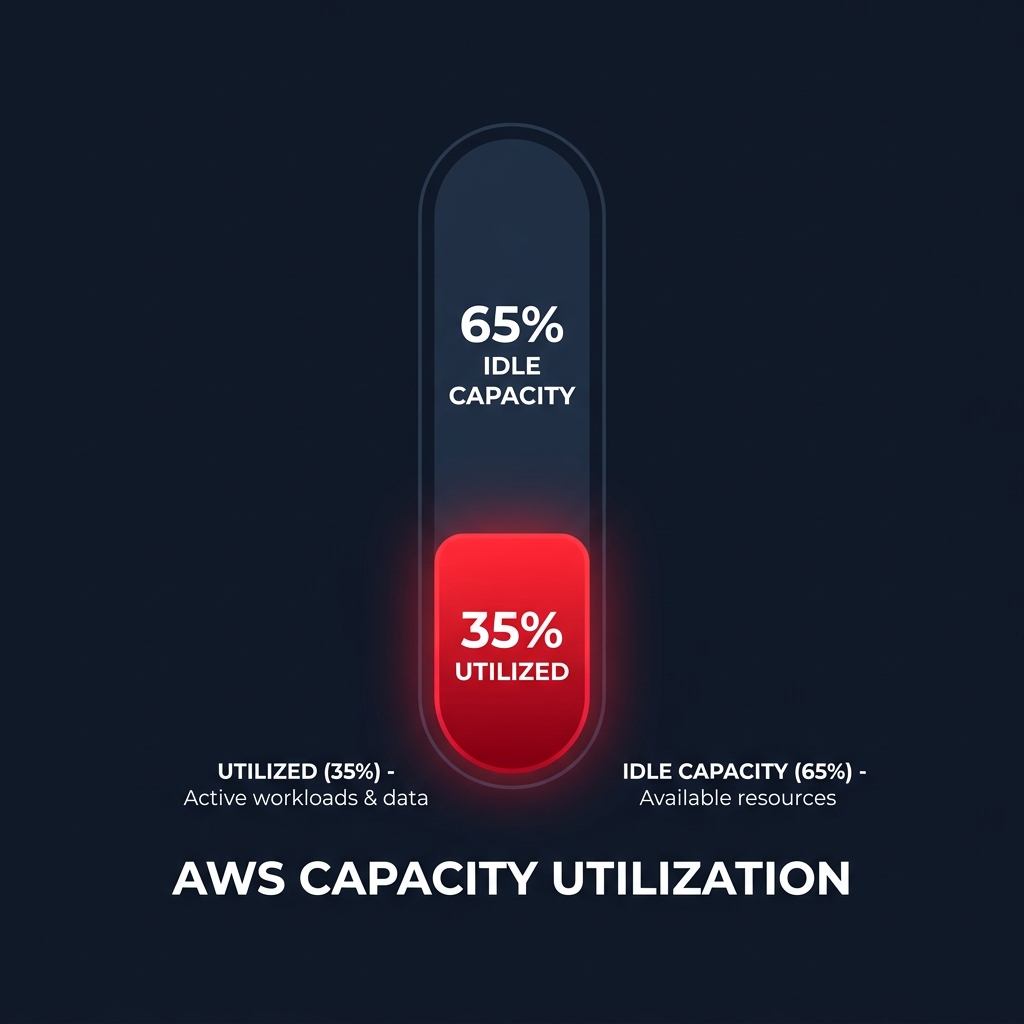
While open-source tools eliminate licensing fees, they come with a significant engineering tax. Research indicates that roughly 30% of cloud spend is wasted due to poor governance and idle resources, yet many teams find that their FinOps initiatives stall because they have plenty of visibility but no capacity for execution. Manual rightsizing is inherently slow. It takes time to validate that a smaller instance won’t crash your application or that migrating to AWS Graviton won’t break your legacy dependencies.
This visibility-to-execution gap is where open-source strategies often fail to deliver the expected ROI. When your senior engineers spend their sprints manually tuning EBS volumes or chasing down untagged resources, you are paying for “free” tools with your most expensive internal resources.
Bridging the gap with Hykell automation
If you find yourself identifying savings in OpenCost or Cost Explorer but never finding the sprint time to implement them, it is time to look at automation. Hykell bridges the gap between FinOps insights and actual bottom-line impact by operating on autopilot to reduce your AWS bill by up to 40%. We go beyond simple cleanup by focusing on the two most impactful levers in cloud finance:
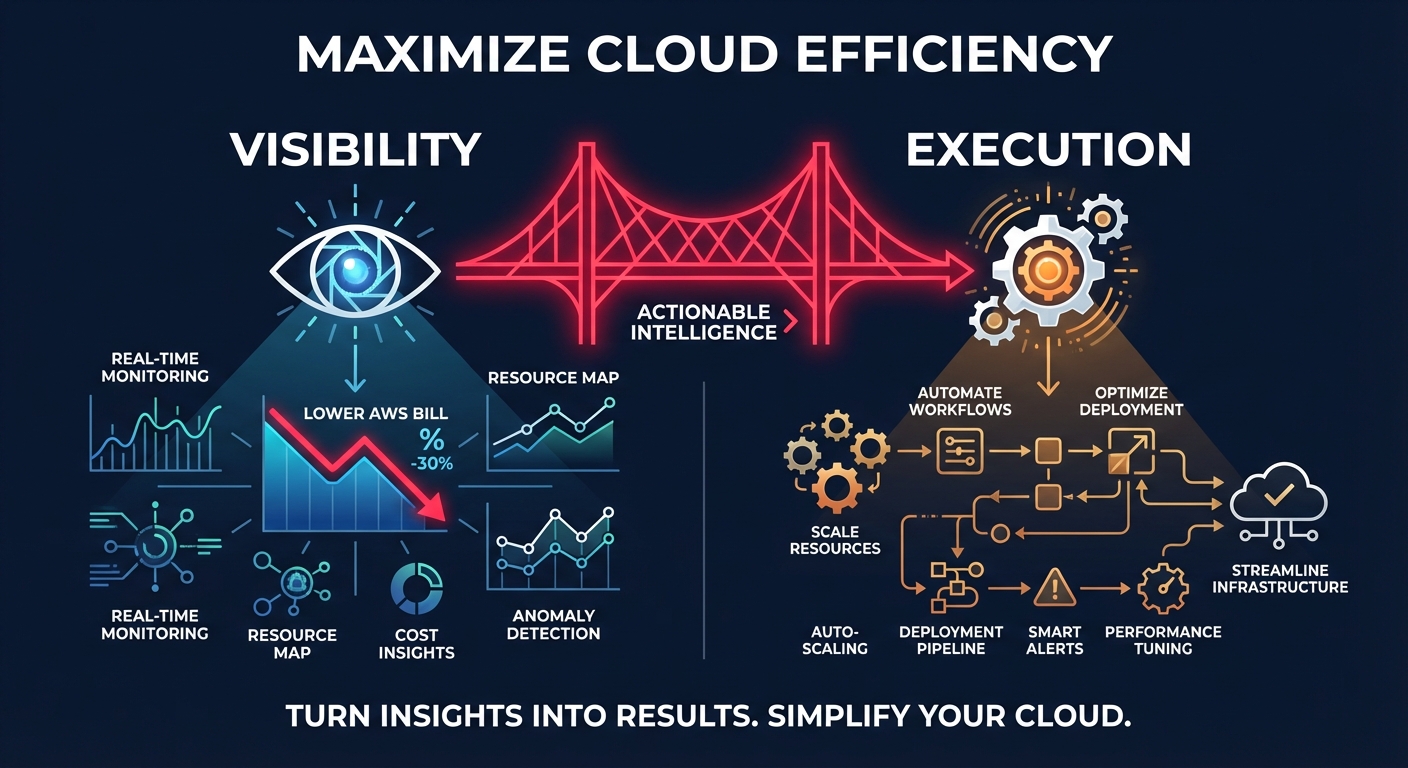
- Precision Rate Optimization: We manage a blended portfolio of Reserved Instances and Savings Plans to achieve an Effective Savings Rate (ESR) of 50–70% or higher. Our AI-driven approach ensures you get deep discounts without being locked into rigid, long-term commitments.
- Workload-Aware Adjustments: From automated storage tuning to accelerating your transition to high-performance Graviton instances, Hykell implements changes safely without requiring any code modifications or downtime.
The most compelling reason to choose Hykell over a purely manual open-source approach is that the risk is zero. Our pricing is performance-based, meaning we only take a slice of what we actually save you. If we do not uncover savings, you do not pay. While open-source tools are excellent for initial auditing and visibility, they cannot match the continuous, real-time adjustments required to keep costs at their absolute minimum.
Stop spending your engineering talent on infrastructure plumbing and let automation handle the bill. You can see how much you could save on AWS with a free Hykell audit today.