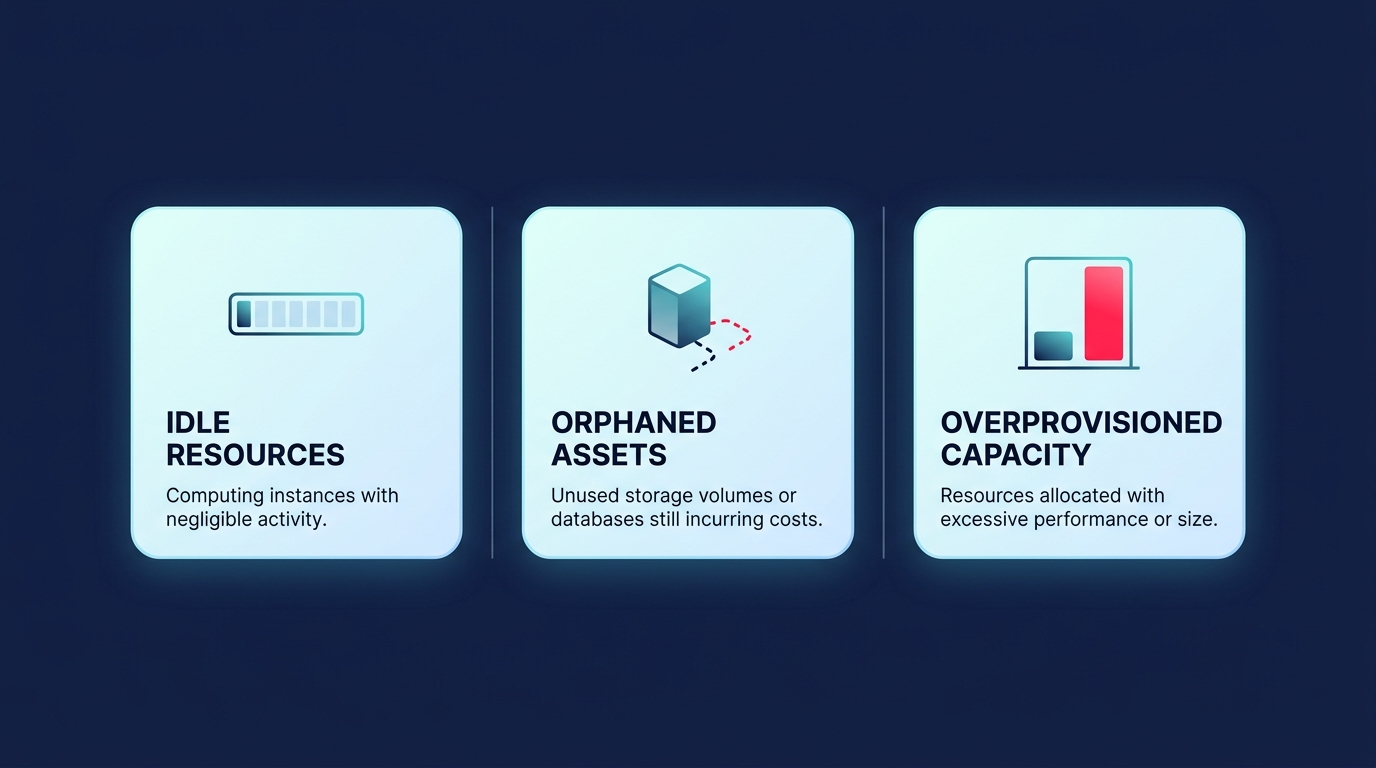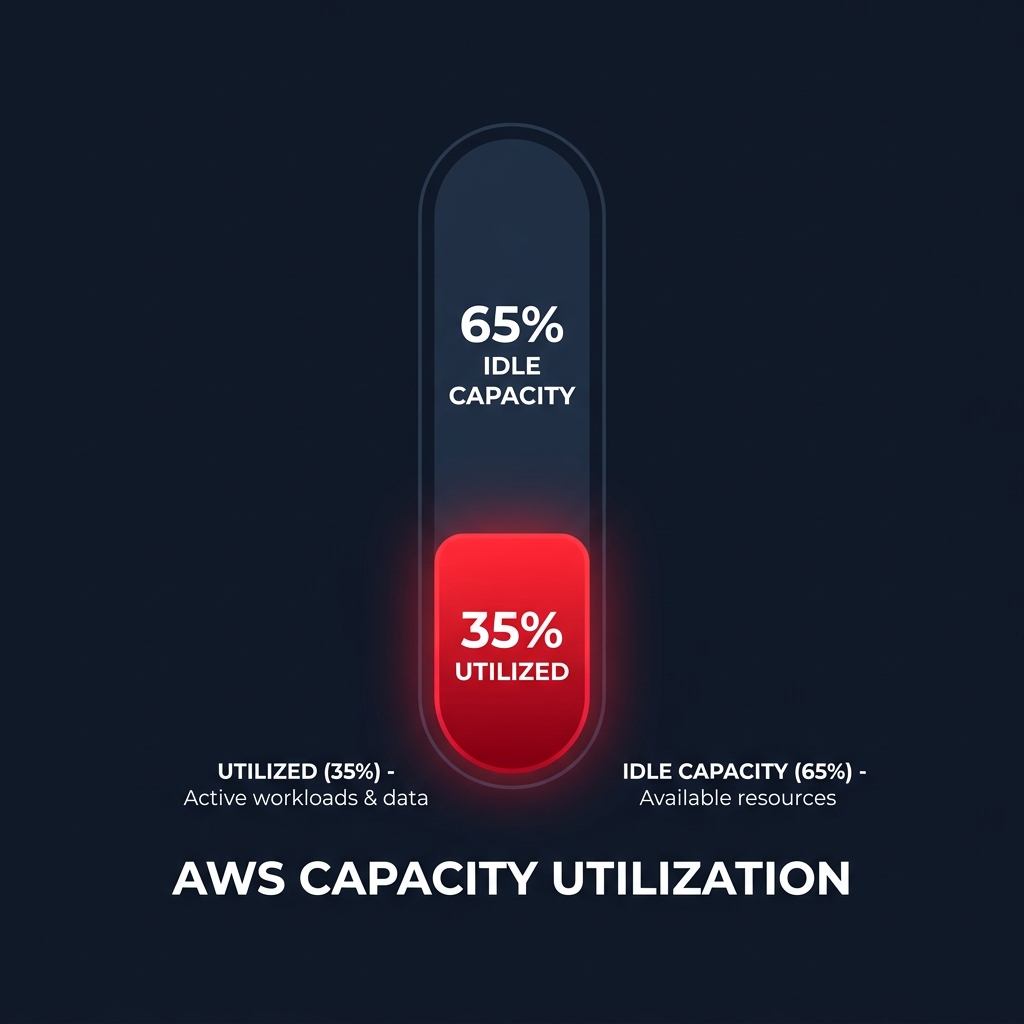
What happens when your “steady-state” workload suddenly disappears, but your 3-year commitment remains? The AWS Reserved Instance Marketplace turns rigid, multi-year contracts into liquid assets, allowing you to sell unused capacity for cash or buy bespoke terms that AWS doesn’t offer directly.
Understanding the secondary market for EC2 commitments
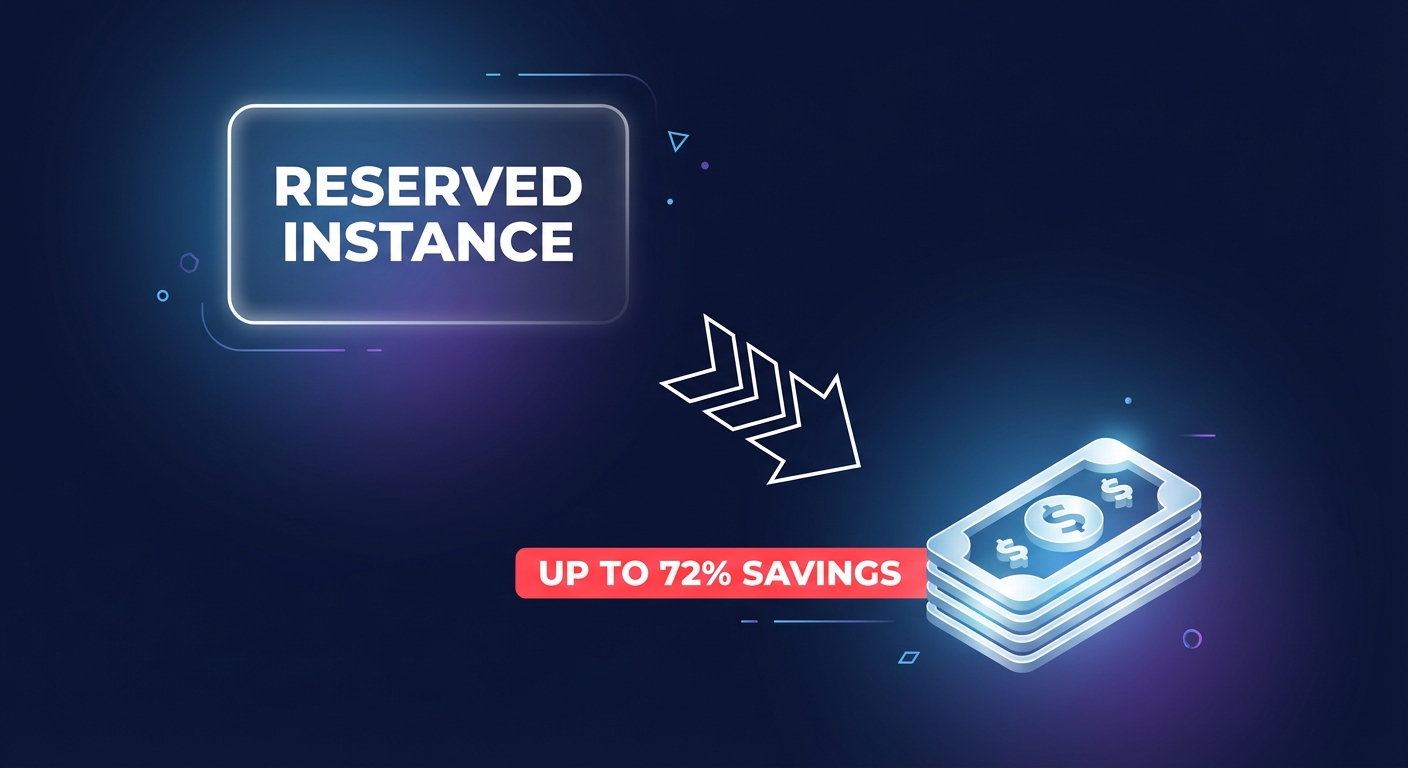
The AWS Reserved Instance Marketplace acts as a peer-to-peer platform where AWS customers can list their unused Standard Reserved Instances (RIs) for sale to other users. While Standard RIs offer the deepest discounts – delivering up to 72% savings compared to On-Demand rates – they are traditionally inflexible. The Marketplace bridges this gap by providing a strategic exit ramp to recoup value from stranded capacity.
Unlike Savings Plans, which follow a “use it or lose it” model with no secondary market for recovery, Standard RIs are the only commitment type that can be converted back into cash. This functionality is essential for US-based engineering teams who want to pursue aggressive AWS rate optimization without the fear of being locked into obsolete infrastructure as project requirements shift.
Eligibility requirements for buyers and sellers
Participating in the secondary market requires adherence to strict AWS guidelines. Not every commitment is eligible for trade; specifically, you cannot sell Convertible RIs, Savings Plans, or RIs for services like RDS and ElastiCache. To list an instance, you must have owned it for at least 30 days, and it must have at least one full month remaining in its term. Furthermore, any upfront payments associated with the original purchase must be fully processed by AWS before the listing becomes active.
Geographic and organizational restrictions also apply. RIs in the GovCloud region or regions disabled by default cannot be traded. Additionally, policy changes enacted in January 2024 now prohibit the resale of RIs that were originally purchased from the Marketplace – a “no-resale” rule that means once you buy a second-hand RI, you are committed to it for its duration. It is also important to note that customers under the Enterprise Discount Program (EDP) are no longer permitted to sell discounted RIs on the Marketplace.
The mechanics of selling unused capacity
When you list an RI for sale, you retain the capacity reservation and the discount benefits until the transaction is finalized. Once a buyer purchases the listing, the discount is immediately removed from your account, and any continued usage of the underlying instances will be billed at standard On-Demand rates.
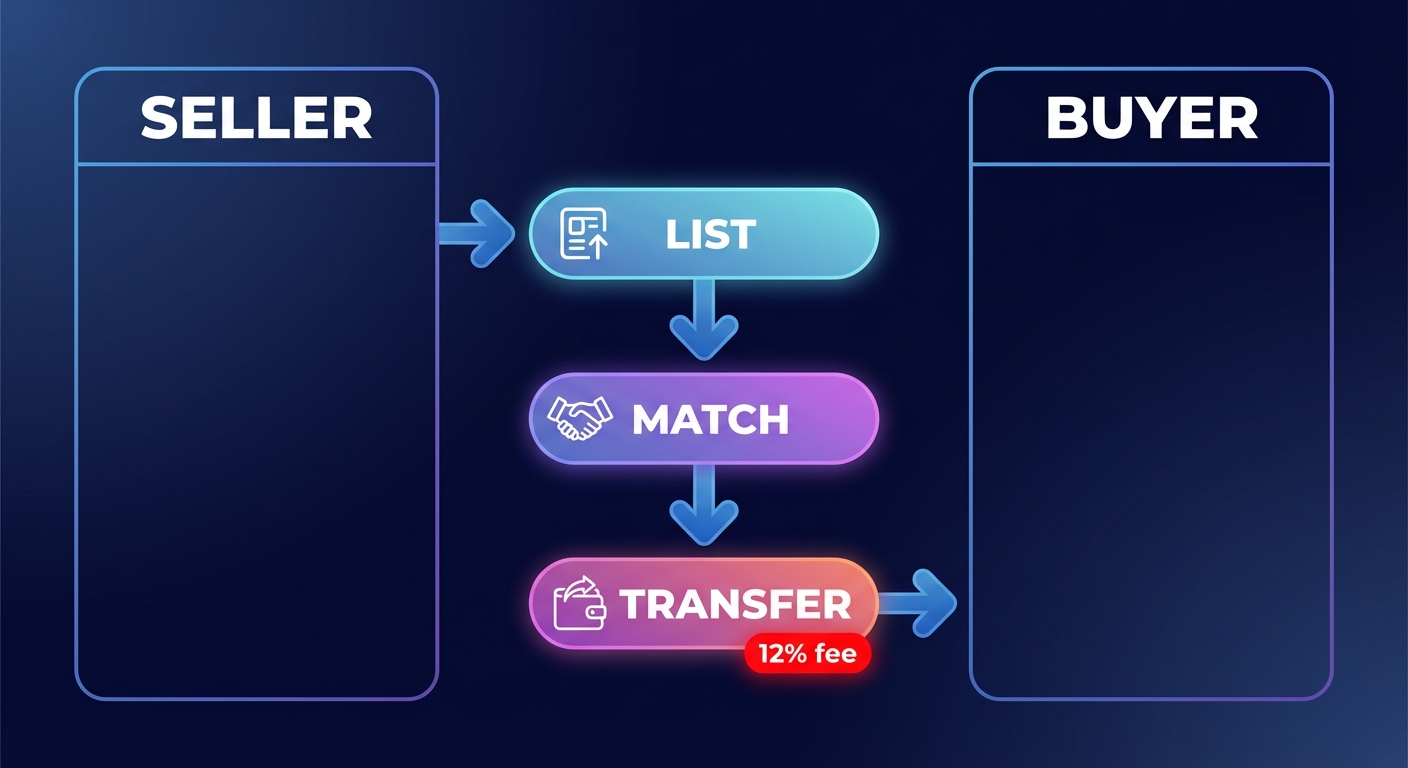
Sellers only set the upfront price of the RI, while the hourly usage price and configuration remain unchanged from the original purchase. AWS facilitates the transaction by charging a 12% service fee on the total upfront price. To ensure your listings remain competitive as the remaining term diminishes, the console allows you to customize month-by-month price adjustments. Once a sale is complete, funds are typically disbursed via wire transfer or ACH to your registered US bank account within three to five business days.
Beyond transaction fees, AWS imposes strict lifetime account limits on Marketplace activity. You are capped at a maximum of $50,000 in total sales or 5,000 Reserved Instances across the entire history of your account. Because these limits are global and non-negotiable, most organizations treat the Marketplace as a tool for surgical portfolio rebalancing rather than a high-volume trading platform.
How to buy bespoke RI terms
Buying from the Marketplace is often more efficient than buying directly from AWS when you need short-term coverage or specific end-dates. While AWS typically only sells 1-year and 3-year terms, the Marketplace allows you to find bespoke durations, such as a 7-month or 18-month commitment, to match the exact lifecycle of a temporary project.
The system automatically groups listings by their remaining term and hourly price, fulfilling orders by selecting the lowest upfront price first. If you are attempting to cover a large fleet, AWS may bundle offerings from multiple sellers to meet your total quantity requirements. Before committing, you should audit your Reserved Instance utilization to confirm that the second-hand instance family and region align perfectly with your current infrastructure footprint.
Marketplace RIs vs. Savings Plans: a FinOps framework
The choice between using the Marketplace and adopting Savings Plans usually depends on whether your organization prioritizes liquidity or flexibility. Compute Savings Plans offer much broader coverage, automatically applying to different instance families and regions as your environment evolves. However, because they cannot be resold, they carry higher financial risk if your usage drops unexpectedly.
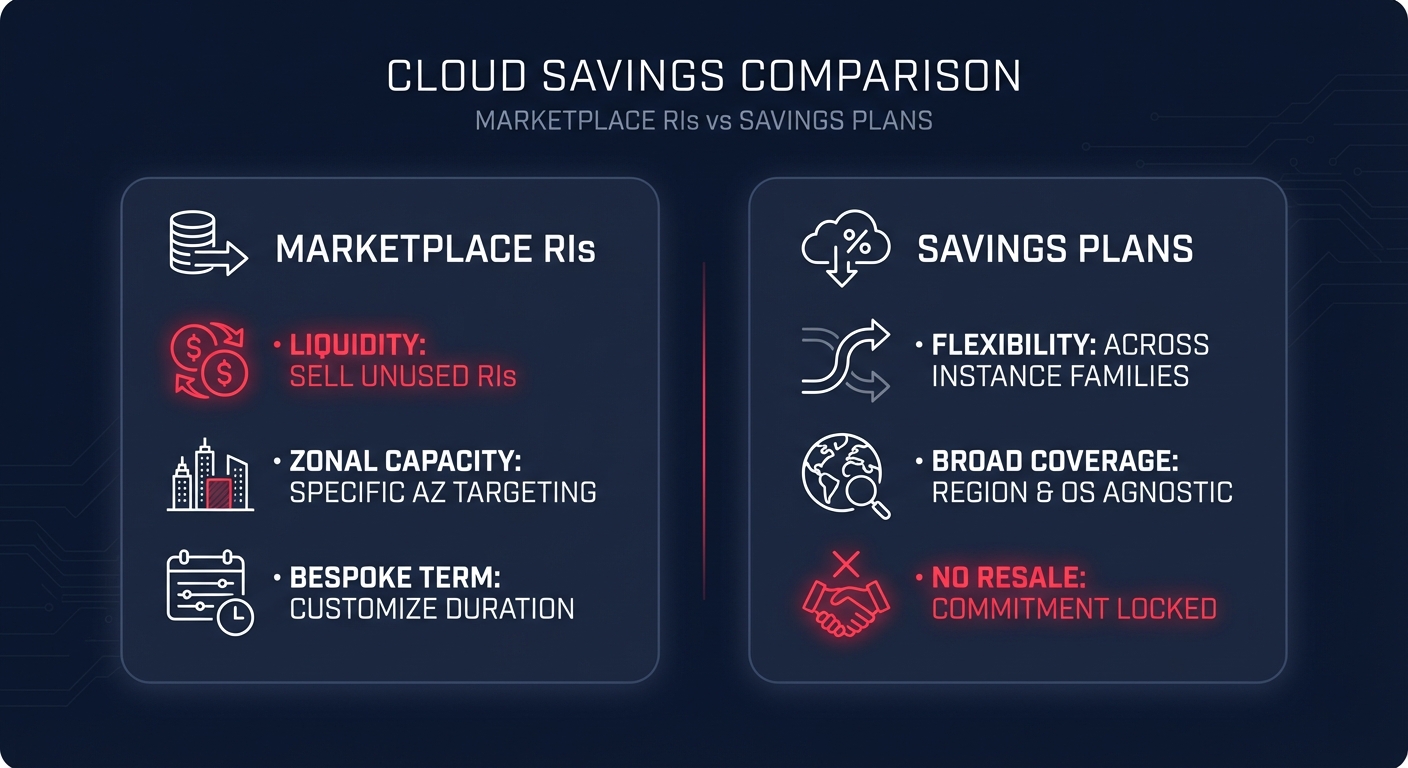
Standard RIs acquired through the Marketplace are often superior in specific scenarios:
- Strict Zonal Capacity: When you must guarantee that an instance will launch in a specific Availability Zone during periods of peak demand.
- Bespoke Term Matching: When a specific workload is scheduled to be decommissioned in less than a year, making a short-term Marketplace RI more cost-effective than a 1-year Savings Plan.
- Capital Recovery: When you want an “emergency exit” strategy for your cash in case a long-term project is canceled or significantly downsized.
Most mature FinOps teams adopt a hybrid strategy. They use Standard RIs for the absolute baseline of their infrastructure and layer AWS Savings Plans to cover the variable or evolving layers of their compute usage.
Best practices for managing your portfolio
Active governance is required to maintain a liquid RI portfolio and avoid common pitfalls. For instance, you should avoid the “95% utilization trap,” where high utilization metrics mask the fact that you have zero headroom for growth. Timing also matters; historical data indicates that certain instance types in regions like US-East-1 tend to sell faster on weekday mornings when large enterprises are actively provisioning new resources.
Strategic preparation is also vital. You should never buy a second-hand RI to match an inefficient or oversized instance. Instead, utilize automated AWS rightsizing to ensure your fleet is lean before you lock in a commitment. Furthermore, keep an eye on upcoming policy shifts. Starting June 1, 2025, AWS will limit RIs and Savings Plans to a single end customer’s usage, which will prevent MSPs and resellers from pooling commitments and make individual account management via the Marketplace even more critical.
Automating your rate optimization with Hykell
The primary challenge of the RI Marketplace is liquidity risk. Listing an RI does not guarantee a buyer will be found, and manual price adjustments can consume 10–15% of an engineering team’s time. Without constant monitoring, many organizations leave significant savings on the table simply because they cannot keep up with the fluctuating demand of the secondary market.
Hykell solves this by putting your Reserved Instance management on autopilot. The platform continuously monitors your usage patterns and Marketplace conditions in real-time. By algorithmically balancing your portfolio – buying, selling, and converting commitments as needed – Hykell ensures you maintain an Effective Savings Rate (ESR) of 50–70% with zero manual effort.
Because Hykell operates on a performance-based model, there is no financial risk to your budget. You only pay a slice of the actual savings achieved; if the platform doesn’t save you money, you don’t pay. Calculate your potential AWS savings today and let Hykell’s automated intelligence turn your rigid cloud commitments into a flexible, high-performance advantage.