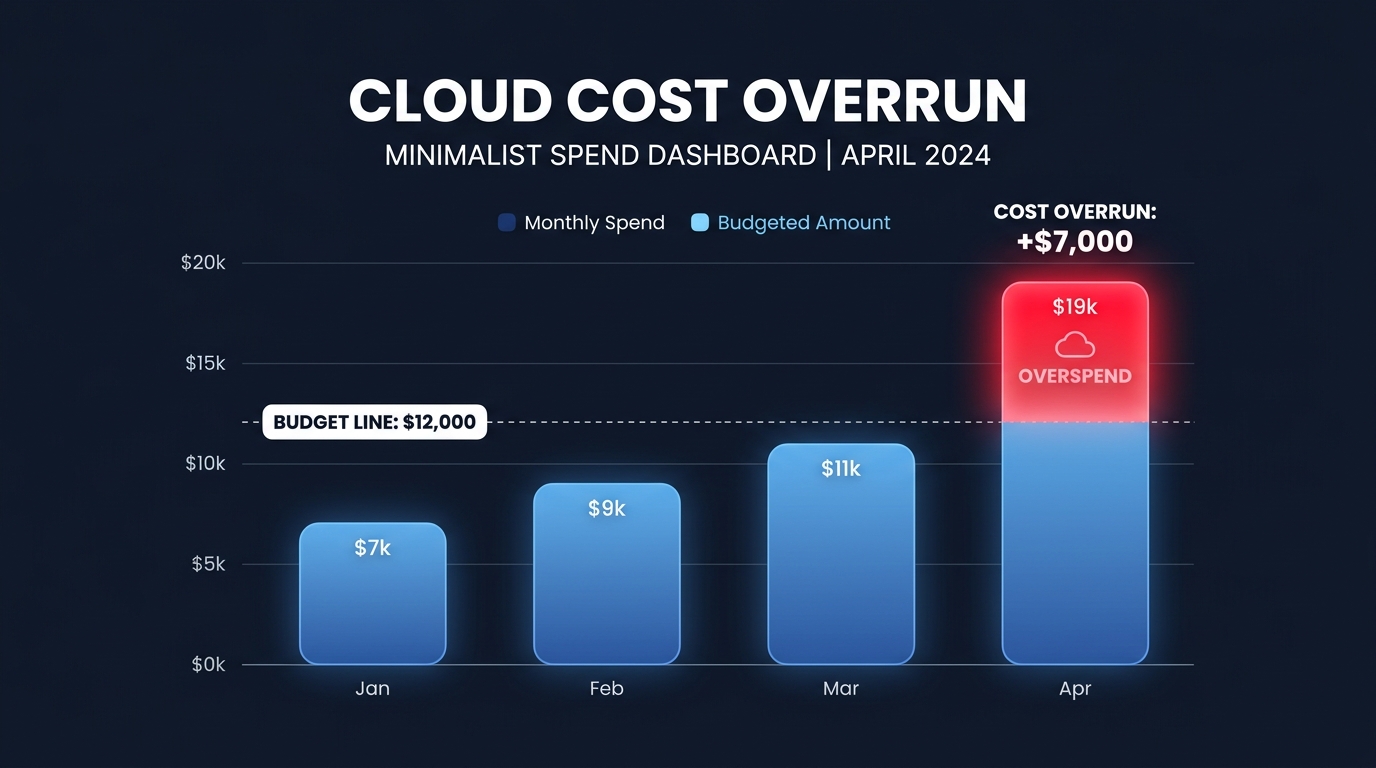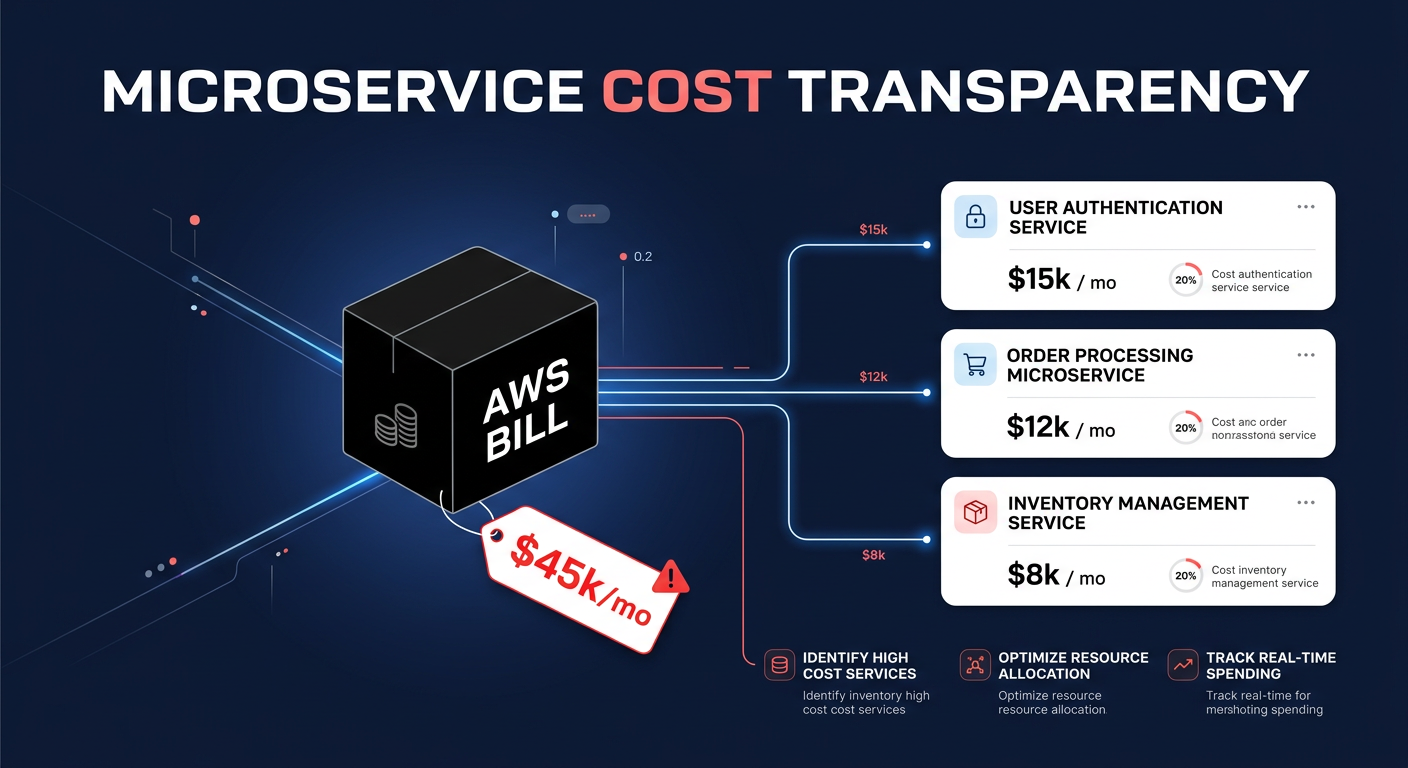
Are you tired of watching your AWS bill climb every time your traffic spikes? While Amazon CloudFront provides world-class delivery, inefficient configurations can lead to data transfer costs that silently devour your cloud budget. You can slash these costs without sacrificing speed by mastering a few strategic levers.
Optimize your cache hit ratio to minimize egress
The primary driver of CloudFront costs is Data Transfer Out (DTO). In the United States, you typically pay $0.09 per GB for the first 10 TB of data delivered to the internet. Every time CloudFront fails to find a file in its cache – a “cache miss” – it must fetch that file from your origin. This cycle often triggers additional AWS egress costs from services like Amazon S3 or EC2, effectively charging you for the same content twice.
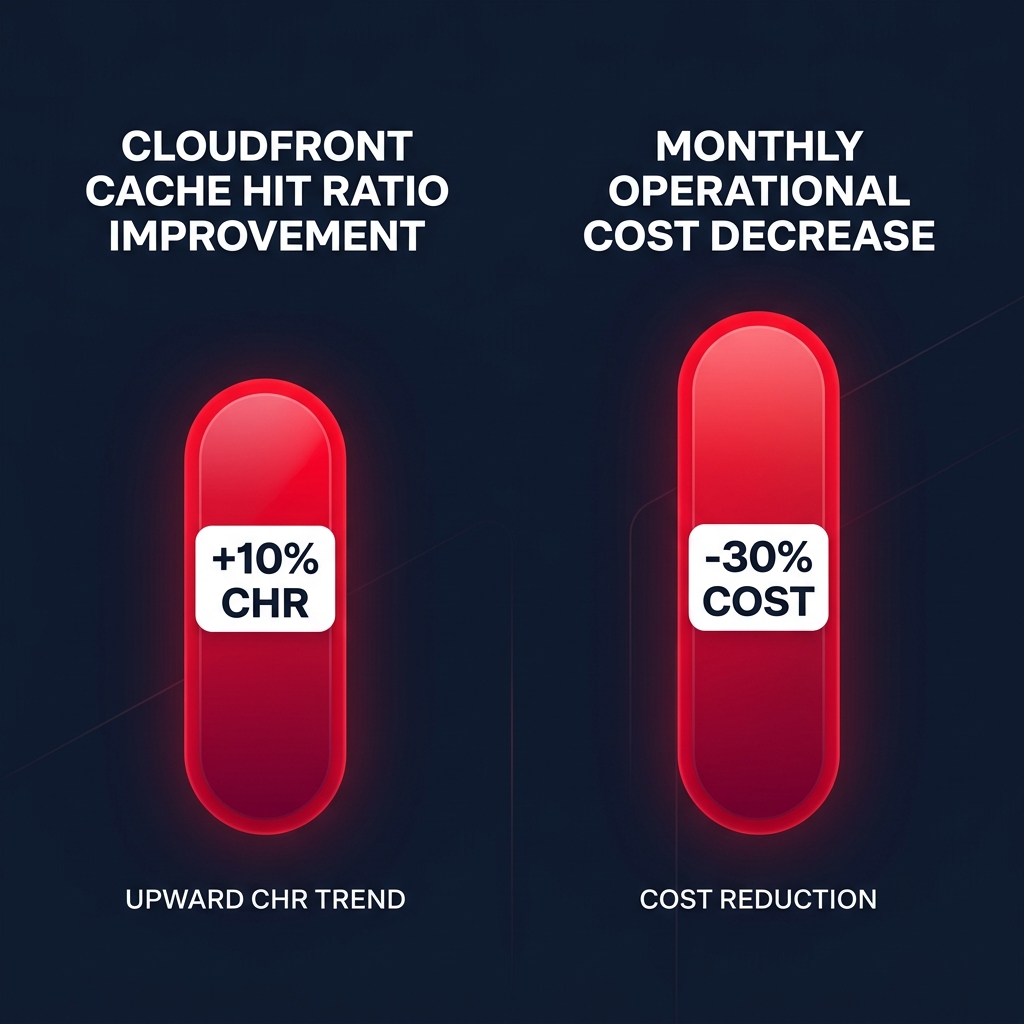
To combat this, you should prioritize your Cache Hit Ratio (CHR). AWS benchmarks indicate that improving your CHR by just 10% can reduce your total CloudFront bill by 30%. You can achieve this by using managed cache policies like `CachingOptimized`, which are designed to maximize storage efficiency at the edge. Additionally, you must prevent cache key fragmentation. When you include unnecessary cookies, headers, or query strings in your cache key, CloudFront treats every slight variation as a unique object. This forced redundancy drives up fetches and costs unnecessarily.
Implement Origin Shield and compression
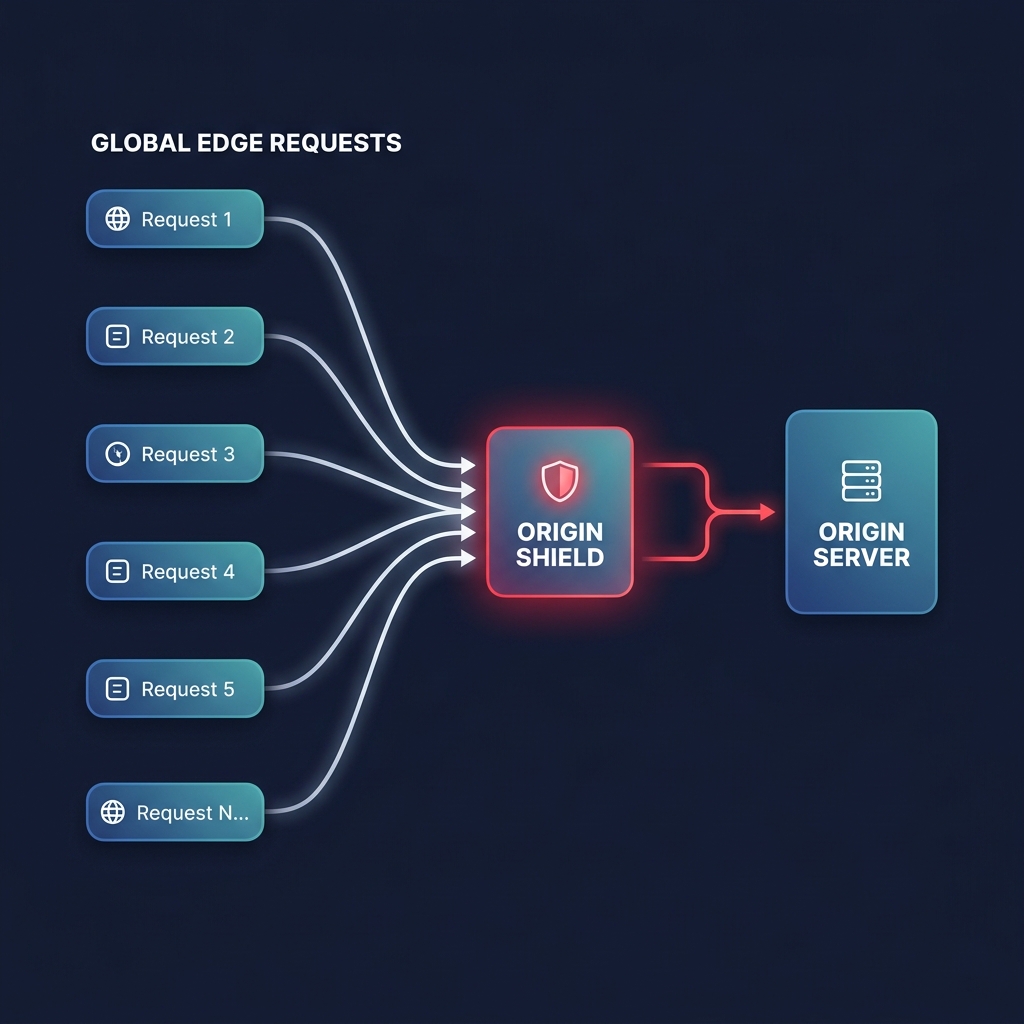
For high-traffic applications, Origin Shield acts as a centralized caching layer between your edge locations and your origin. This configuration can consolidate multiple requests for the same object into a single fetch, often reducing origin load by 50% to 90%. While it introduces a minor latency tradeoff of roughly 10–50ms, the cost savings on origin egress and request fees are usually worth the compromise for heavy workloads.
You should also ensure that Gzip and Brotli compression are enabled. Compressing text-based assets like HTML, CSS, and JavaScript can reduce your data transfer volume by up to 70% without any perceptible impact on performance. Because CloudFront charges are based strictly on the volume of data moved, this simple toggle directly slashes your monthly spend by shrinking the payload size before it leaves the edge location.
Choose the right price class for your audience
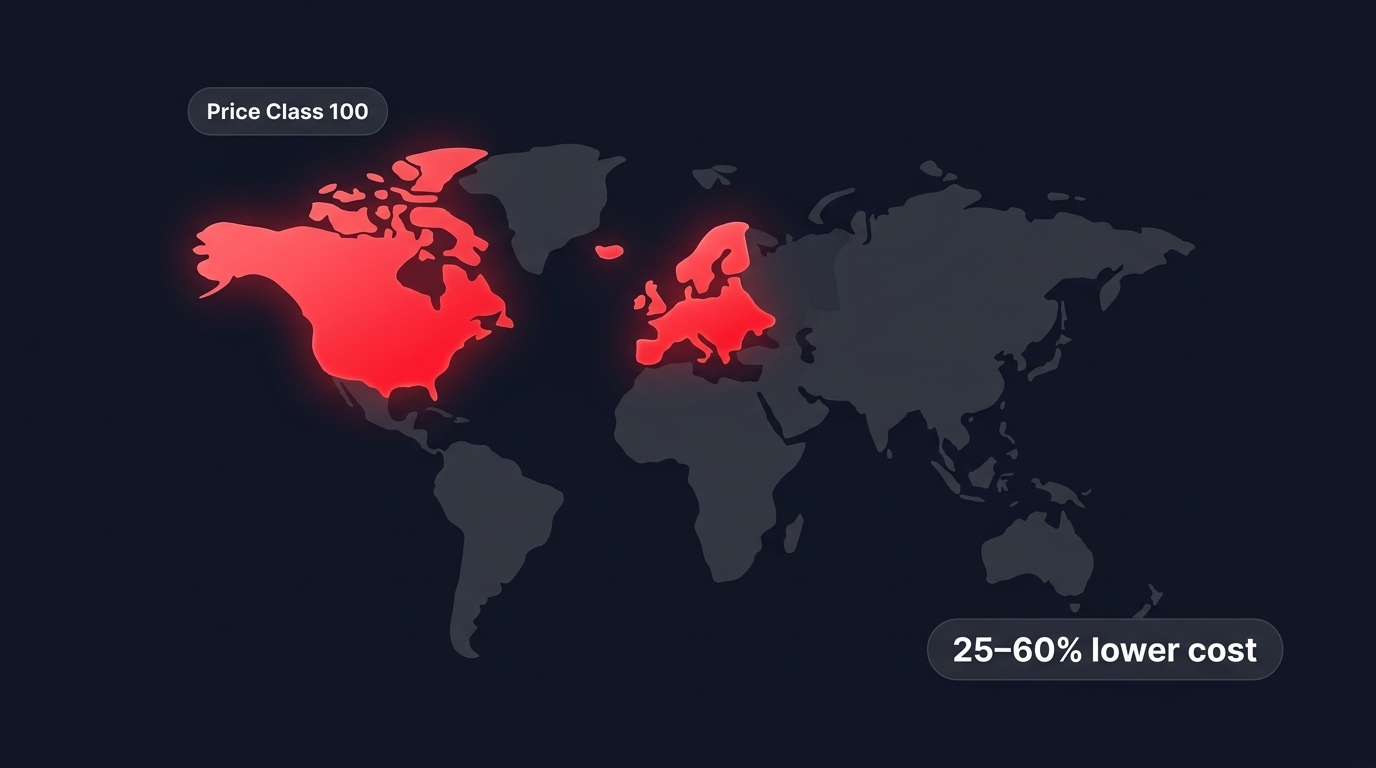
CloudFront groups its global edge locations into “Price Classes.” By default, your distribution uses all edge locations, but this includes the most expensive regions globally. If your primary customer base resides in North America and Europe, switching to Price Class 100 can save you 25% to 60% on data transfer fees. While users in regions like South America or Australia might experience slightly higher latency as their requests route to the US or Europe, the financial savings for regional businesses are significant.
For those who need global reach but want to keep costs predictable, understanding AWS performance SLAs is vital. You can balance high availability with cost-effective regional routing by auditing where your traffic actually originates and adjusting your price class to match. This prevents you from paying premium rates for edge locations that your customers rarely access.
Leverage committed-use pricing models
If your traffic patterns are steady, moving away from on-demand pricing is the most effective way to secure deep discounts. The CloudFront Security Savings Bundle offers up to a 30% discount in exchange for a one-year monthly spend commitment. This bundle also includes AWS WAF credits, providing an essential layer of security without inflating your operational overhead.
For enterprises moving more than 10 TB per month, custom private pricing agreements are often available through AWS representatives. These negotiations can result in discounts exceeding 30-40%. At Hykell, we specialize in AWS rate optimization to help you navigate these commitments. We use AI-driven planning to blend different discount instruments, ensuring you get the lowest possible rate without the risk of over-committing to unused capacity.
Stop overpaying for invalidations and logging
Common administrative habits often lead to hidden costs that accumulate over time. For example, AWS provides the first 1,000 invalidation paths per month for free but charges $0.005 per path thereafter. If your CI/CD pipeline triggers a full site invalidation using the wildcard path on every minor update, these fees can skyrocket. Instead, use versioned file names to update content, which costs nothing and improves cache consistency across the network.
Similarly, while real-time logs are helpful for high-fidelity debugging, they cost $0.01 per 1 million log lines plus additional Kinesis fees. For most businesses, standard logs are sufficient and come at no extra charge. Regularly auditing these settings is a core part of any robust AWS cost management strategy, ensuring you only pay for the log data you actually need for operations.
Automate your CloudFront savings with Hykell
Manually tuning TTLs and monitoring cache hit ratios takes engineering time that most teams can’t spare. Hykell provides a hands-off approach to cloud efficiency by identifying underutilized resources and misconfigurations across your entire AWS environment. We operate on a success-based model where we only take a slice of what you save – if we don’t find savings, you don’t pay.
Our platform helps you reduce your overall AWS spend by up to 40% automatically, ensuring your infrastructure remains performant while your margins improve. To see exactly how much you could be saving on your CloudFront and egress bills, use our cost savings calculator for a detailed optimization analysis.