Cloud cost optimization remains one of the top priorities for teams managing public cloud platforms like AWS. The promise of cloud economics – pay-as-you-go, elastic scaling, and rapid innovation – can quickly erode without disciplined cost control. The two most powerful levers for cloud cost efficiency are rate optimization and workload optimization. When treated as separate functions, organizations often under-optimize and leave tens of thousands of dollars in savings on the table. A unified approach delivers measurable savings and operational simplicity.
Rate optimization focuses on lowering the price you pay per unit of cloud resource. This typically involves using pricing models like Reserved Instances, Savings Plans, spot instances, or negotiating enterprise discounts.
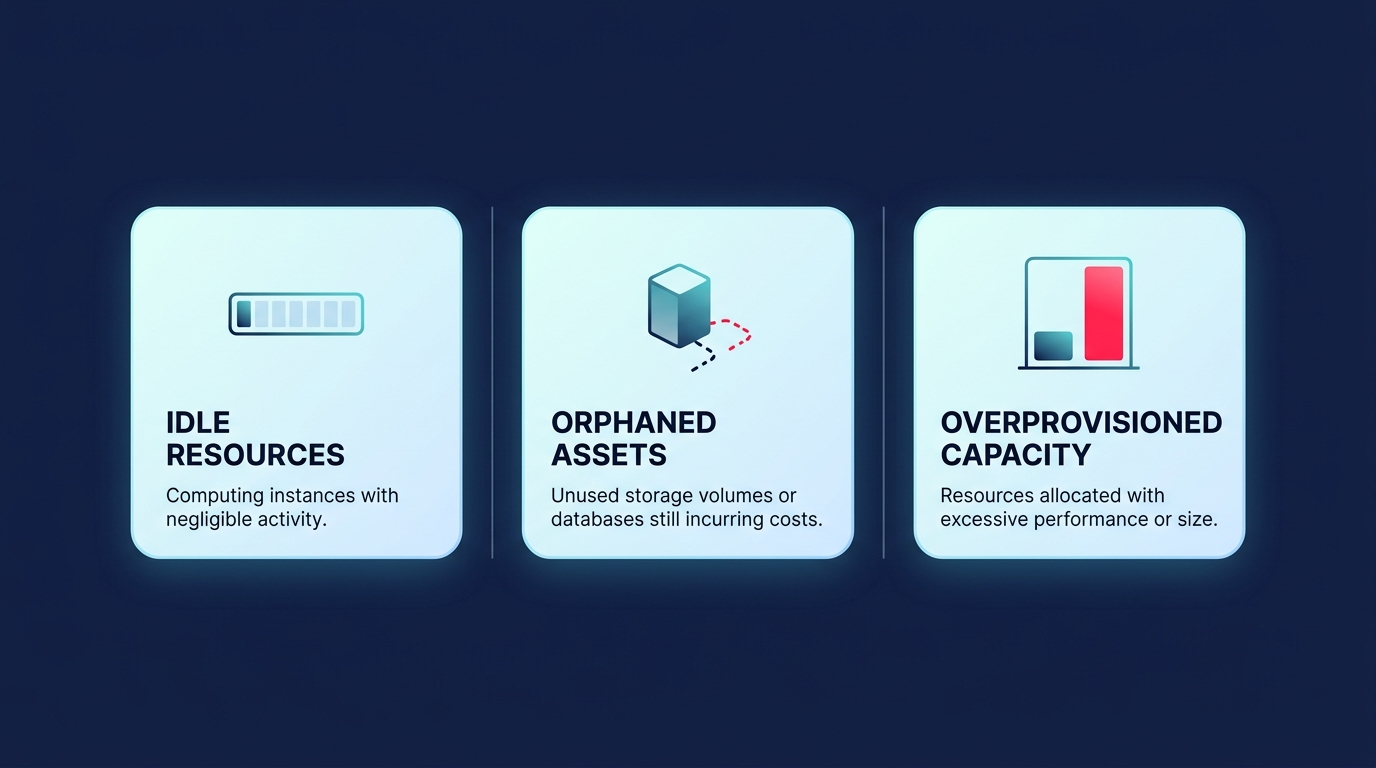
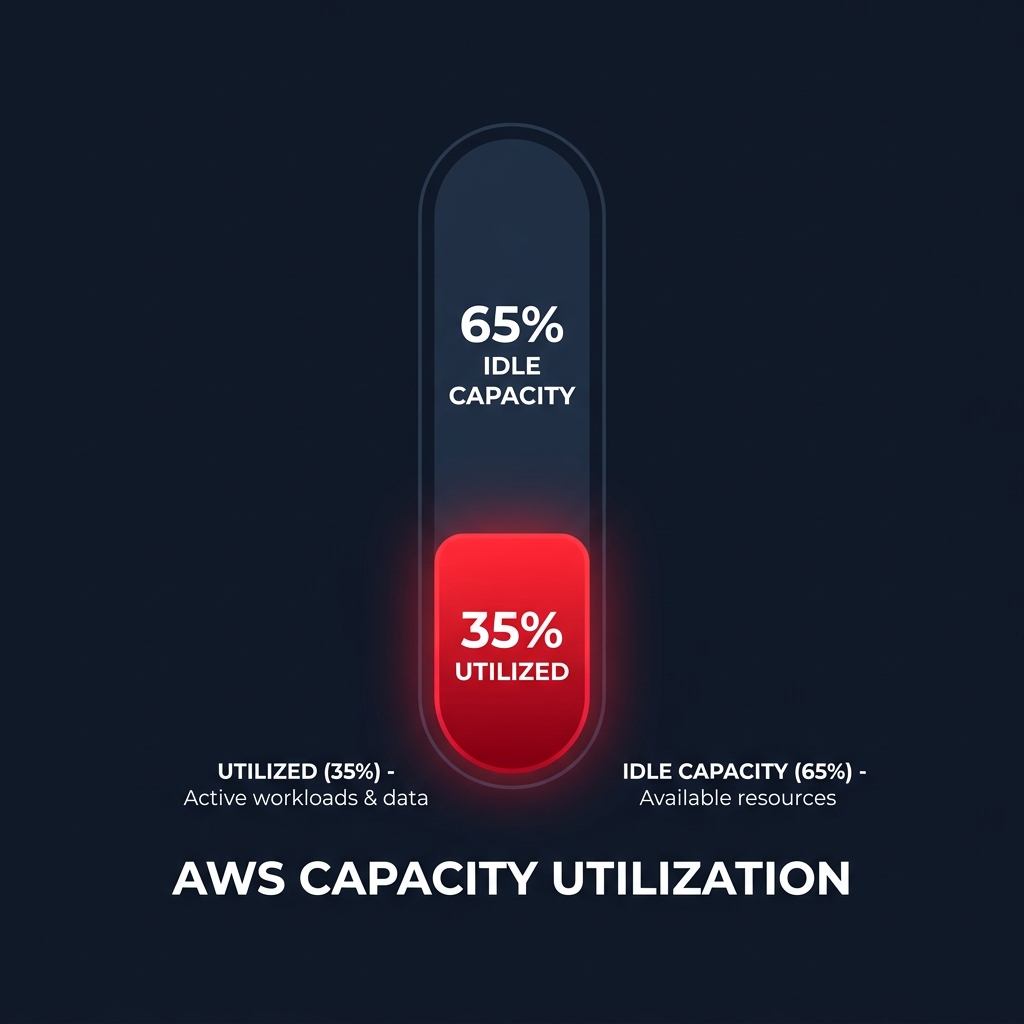
Workload optimization focuses on the efficiency of your actual usage — rightsizing, eliminating idle resources, autoscaling intelligently, and aligning deployments with real demand.
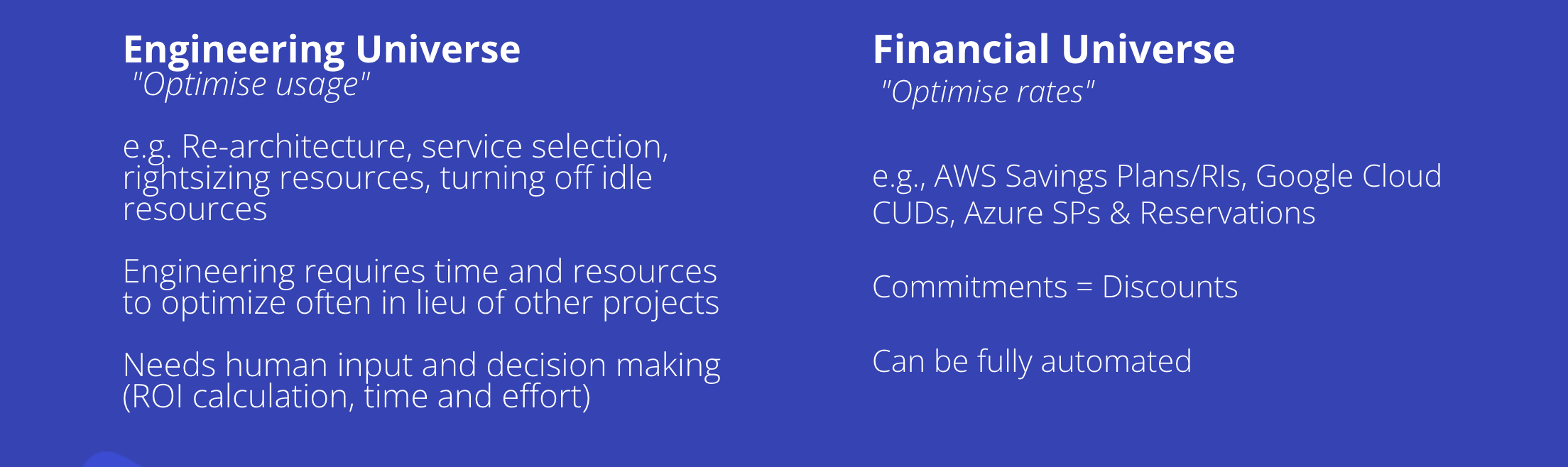
Hykell combines both levers in a coherent automation framework that delivers continuous cost savings without ongoing manual effort. Engineers can focus on the Engineering universe, while automation can take care of maximising the Financial universe.
Why Integrate Rate and Workload Optimization
Traditional approaches tend to treat rate and workload optimization in isolation. Engineering teams fix waste and adjust workloads, while finance teams or procurement work on discount instruments separately. This siloed practice introduces inefficiencies:
- Double counting savings – counting workload savings and rate savings independently without reconciling how one affects the other.
- Overcommitment risk – buying long-term commitments for resources that are destined to be rightsized or retired.
- Leaving savings on the table – Manually covering usage with discount instruments means you are leaving about 20% of potential savings on the table- automation with Hykell can fix that.
- Misaligned KPIs – rate initiatives may boost coverage or utilization metrics without producing real savings if workloads change.
- Wasting time on manual work – engineers need to play stakeholder management poker, to see which team needs how much resource for how long. That time can be spent on more value adding activities.
Integrating rate and workload optimization ensures that every commitment bought matches actual usage patterns, minimizing commitment risk while maximizing net savings.
The Core Components of Integrated Optimization
Continuous Usage Visibility
Integrated optimization begins with deep visibility into resource usage and trends. Teams need real-time insight into actual consumption patterns across accounts, workloads, and environments. This data is foundational to both workload and rate decisions.
Workload Efficiency Actions
Workload optimization includes:
- Rightsizing instances based on real utilization.
- Removing idle compute, storage, and network resources.
- Autoscaling and scheduling non-production environments to match demand.
These actions reduce overall spend and create a realistic baseline for rate decisions.
Strategic Commitment Management
Rate optimization focuses on securing the best price for the consumption that remains after workload optimization. Typical instruments include:
- Reserved Instances (RIs) — long-term commitments for specific instance types.
- Savings Plans — flexible spending commitments across services.
- Spot Instances — short-lived, deeply discounted compute for flexible workloads.
The goal is not just to increase coverage or utilization of commitments, but to maximize net savings relative to on-demand pricing.
Hykell’s Approach to Integrated Optimization
Hykell automates the continuous cycle of optimization, reducing manual effort and improving savings outcomes. Key elements include:
- Automated Commitment Actions: Hykell continuously analyzes cloud usage and buys, exchanges, or adjusts commitments like Savings Plans and Reserved Instances on autopilot.
- Zero Ongoing Effort: Once configured, Hykell runs without the need for engineering time or manual coordination between teams.
- No Code Changes Needed: Hykell operates at the billing and cost dataset level, meaning no modifications to your applications or infrastructure.
- Flexible Savings Strategy: Hykell adapts to changing usage patterns, ensuring commitments align with real demand and minimizing risk.
Organizations using Hykell consistently see double-digit improvements in savings compared to manual or disjointed approaches – often reducing bills by 20% or more while removing the burden of manual optimization.
Best Practices for Integrated Optimization
- Start with Waste Identification: Focus on eliminating waste before committing to long-term discounts.
- Measure: Adopt effective savings as the primary KPI to quantify integrated optimization outcomes.
- Automate Where Possible: Manual efforts scale poorly and introduce errors; automation delivers consistency.
- Rebalance Regularly: Cloud usage patterns change; optimization is a continuous process.
- Involve Cross-Functional Teams: FinOps, engineering, and finance must align on goals, roles, and KPIs.
Conclusion
True cloud cost optimization requires more than ad-hoc savings tactics. It demands a continuous, integrated strategy that couples workload efficiency with smart rate decisions. Hykell delivers that integration through automation, advanced analytics, and a unified focus on real savings outcomes.
The result is predictable cloud costs, reduced manual overhead, and measurable financial impact that aligns with both engineering objectives and business goals.